10 Things Every New Gardener Should Know Before Starting a Garden
Getting started with anything new can feel a little daunting, and gardening is no exception.
There are seed packets covered in mysterious instructions, plants that apparently need to be hardened off, something called bolting, something else called transplant shock, and approximately 47 different opinions about the “right” way to do everything.
It's enough to make you want to put down the trowel and go back inside.
But here's the thing I've learned after years of gardening:
You don't need to know everything before you start.
In fact, you're never going to know everything.
The garden has a funny way of humbling even experienced gardeners. Just when you think you've got everything figured out, Mother Nature wanders in with a giant cup of coffee and says, “Hold my beer.”
And honestly? That's one of the things I love most about gardening.
There is always something new to learn.
So if you're a brand-new gardener—or you're thinking about becoming one—here are 10 things I really wish someone had told me when I first started putting my hands in the soil.
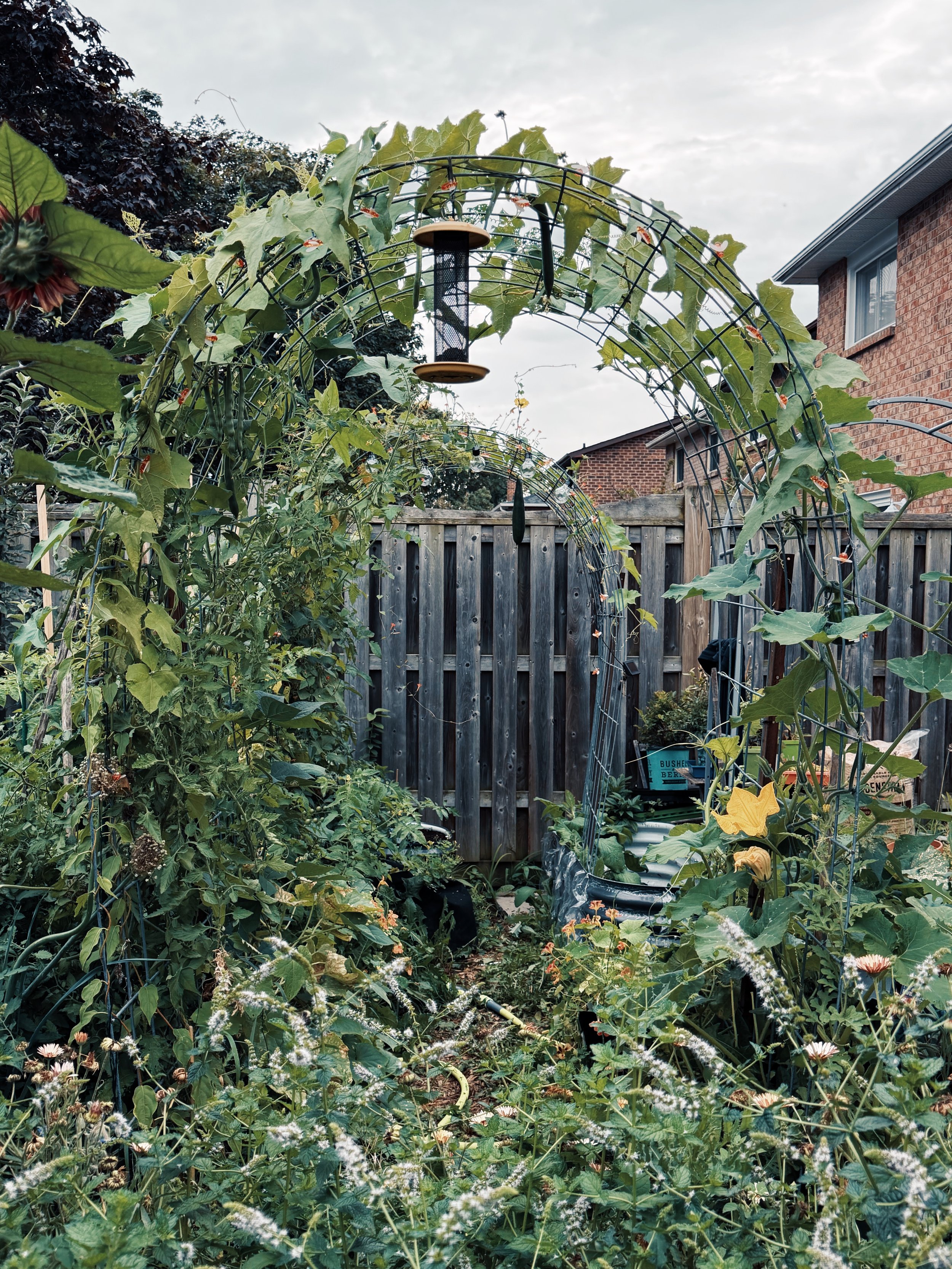
Sometimes the garden is a mess, that is ok, the pollinators don’t care.
1. You DON'T Have a Black Thumb
Let's get this one out of the way first.
You do not have a black thumb.
You will, however, probably kill a plant or two.
Maybe more than two.
And that's okay.
The idea of a “black thumb” often comes from simply not knowing what a plant needs. As the saying goes, you don't know what you don't know.
For example, if you're trying to direct sow tomato seeds outdoors in March in a cold climate, you're probably not going to have much success.
That doesn't mean you're terrible at gardening.
It means tomatoes are warm-season plants and March isn't tomato-growing weather in your climate.
Once you understand what the plant needs—and when it needs it—you've got a much better chance of succeeding.
The same thing happens with watering, light, soil, spacing, temperature, pests and pretty much everything else.
So the next time something goes wrong, try replacing:
“I'm terrible at gardening.”
with:
“Okay, what can I learn from this?”
That's gardening. You try something. It works. You try something else. It spectacularly does NOT work.
You figure out why. Then you try again.
And eventually, you become the person someone else asks for gardening advice.
Every failure teaches you something new that makes you a better gardener.
2. You Just Need to Start
This one sounds obvious, but it's surprisingly easy to get stuck researching instead of actually gardening.
Trust me. I know.
You can read books. Watch YouTube videos. Save Pinterest posts. Buy gardening magazines. Research seed varieties until your eyes cross.
And all of those things can be useful.
But eventually, you need to put a seed in some dirt.
Because reading about gardening isn't the same as gardening.
You can learn an enormous amount from books and other gardeners, but there are some things you simply have to experience for yourself.
You'll learn how quickly your particular garden dries out.
You'll discover which crops love your space.
You'll figure out which varieties perform well for you.
You'll learn where the sun hits in June versus September.
And you'll probably discover that something you were told was “easy” absolutely hates your garden.
That's valuable information.
Don't wait until you feel like an expert.
Start while you're still figuring it out.
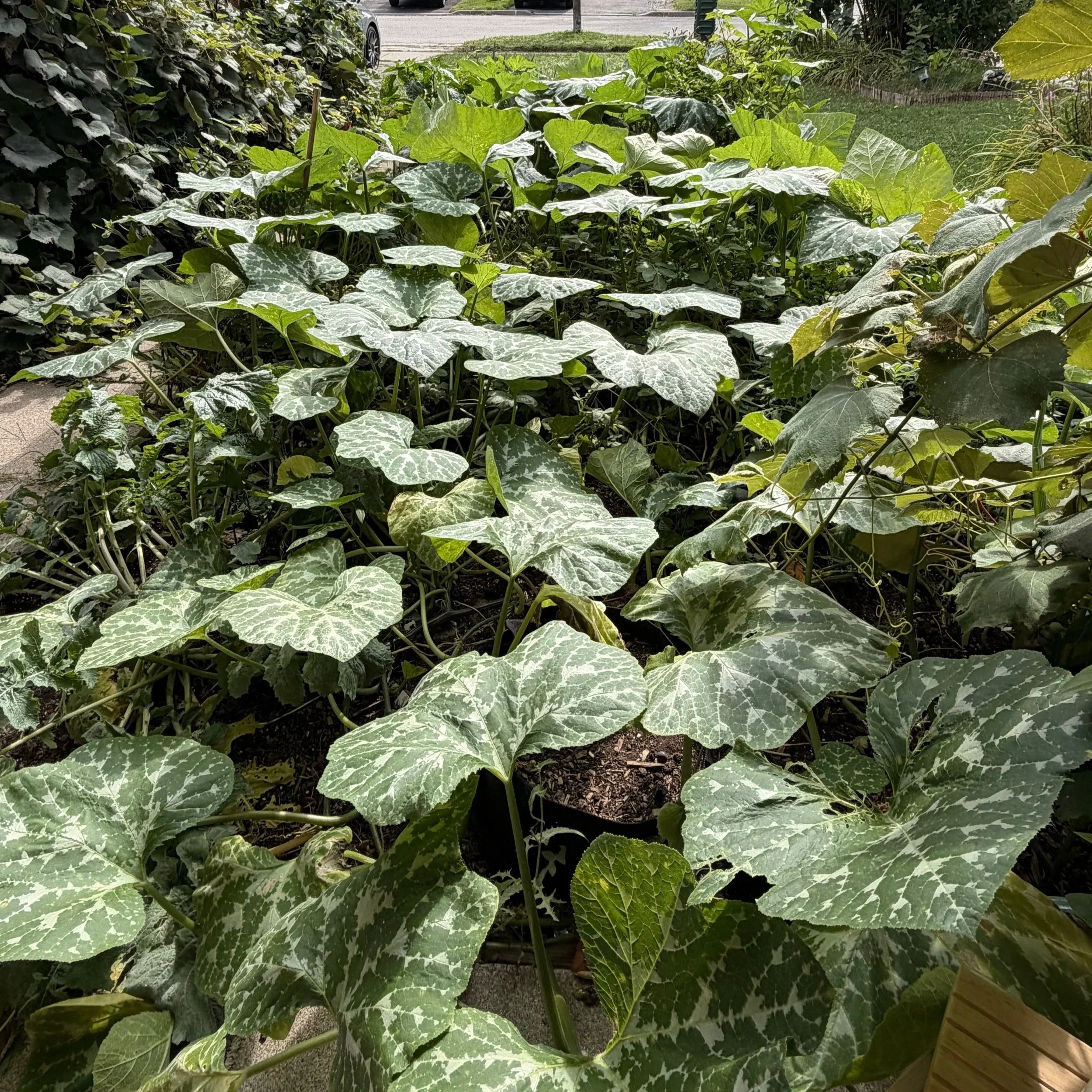
Sometimes things get out of control….this is ONE squash plant….it has taken over the whole front garden.
3. Your Hardiness Zone Isn't Your Whole Gardening Story
You've probably heard people talk about gardening zones.
And yes, you should know your hardiness zone.
But your hardiness zone doesn't tell you everything you need to know about growing a plant.
Hardiness zones are primarily about winter temperature and whether perennial plants are likely to survive your coldest conditions.
They don't tell you:
How long your growing season is
When your last spring frost usually occurs
When your first fall frost might occur
How hot your summers get
How much sunlight your garden receives
How much rainfall you get
What your soil is like
What microclimates exist in your yard
Two gardeners in the same hardiness zone can have very different growing conditions.
And a plant being listed as “hardy to Zone 6” doesn't necessarily mean you can't grow it in Zone 5.
It may simply mean it won't reliably survive your winter outdoors.
You can still grow many plants as annuals that are perennial in warmer climates.
Your zone is useful information—but it isn't your gardening destiny.
Learn your frost dates, growing season and local conditions too.
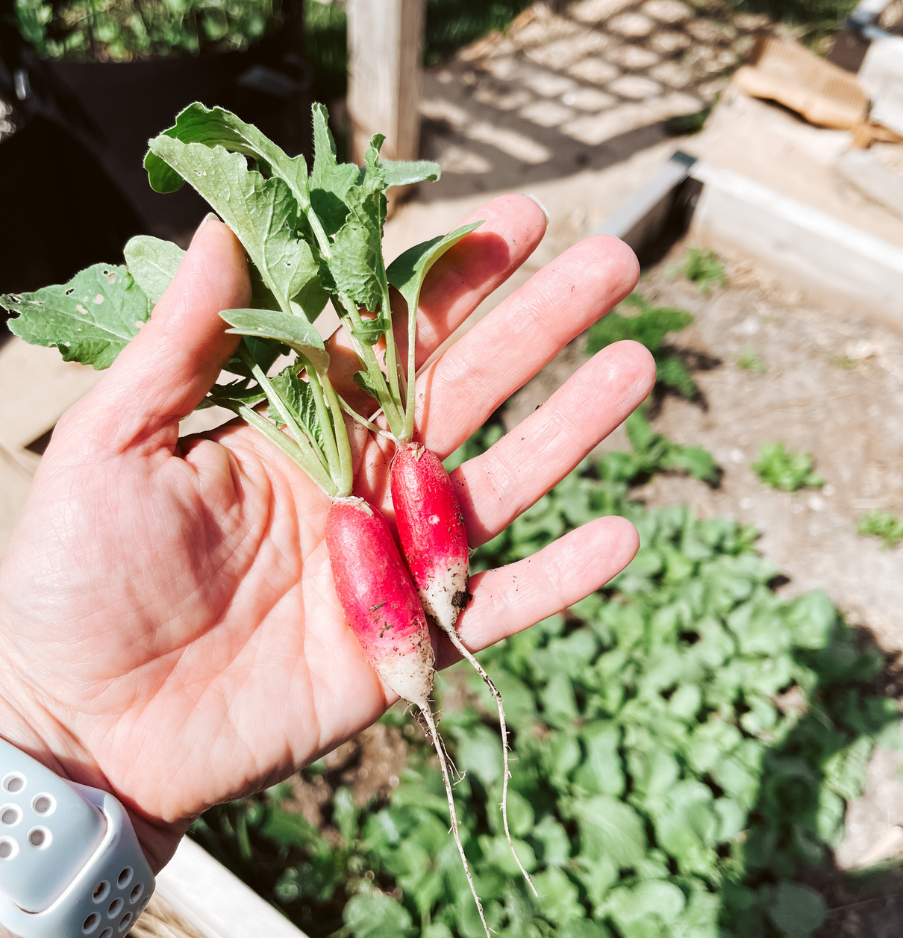
Plants want to grow. If you are a total beginner then start with something easy that grows fast, like radishes.
4. Plants Don't Know You're a Beginner
This is one of my favourite things about gardening.
Your plants have absolutely no idea whether you're a complete beginner or someone who has been gardening for 40 years.
They don't care.
They aren't sitting there thinking:
“Oh dear. She's never grown lettuce before. We're doomed.”
They simply respond to their growing conditions.
Give a plant what it needs and it has a chance to thrive.
The challenge for a new gardener is figuring out what those needs actually are.
That's why I recommend starting with some forgiving crops while you're learning.
Some good beginner-friendly choices include:
Lettuce
Radishes
Basil
Beans
Chives
Potatoes
And don't feel like you have to grow 25 different vegetables your first year.
A few successful crops can teach you much more than an enormous garden full of things you can't keep up with.
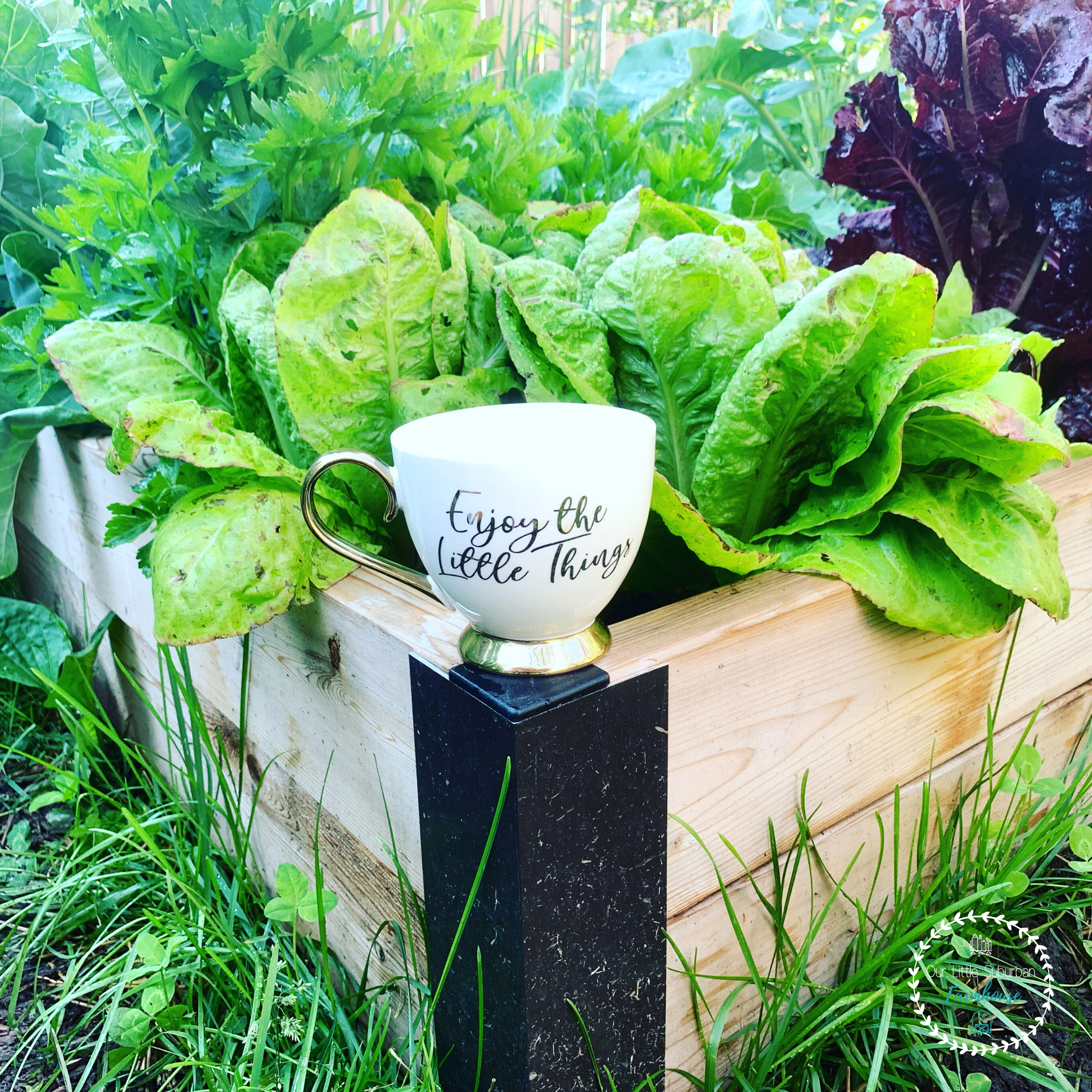
Your garden should be somewhere you want to be, so don’t overcomplicate it. Start small and take on more as you learn.
5. Figure Out Your WHY
Before you decide what to grow, ask yourself:
Why do I want to garden?
This might sound a little overly philosophical for a vegetable garden, but I think it's incredibly useful.
Maybe you want to:
Save money on groceries
Grow better-tasting food
Know where your food comes from
Eat more vegetables
Spend more time outdoors
Create a pollinator-friendly garden
Become more self-sufficient
Preserve food for winter
Grow unusual varieties you can't buy at the grocery store
Simply have fun
There is no wrong answer.
Once you know your why, it becomes much easier to decide what belongs in your garden.
If your goal is to grow food for your family, you probably don't need to dedicate half your garden to a vegetable nobody in your house actually eats.
And if your goal is simply to enjoy gardening, you don't have to turn it into a food-production spreadsheet.
Your garden should work for you.
Once you know what you want from your garden, set a few simple goals for the season.
Don't make 37 goals.
Pick a handful that actually matter to you.
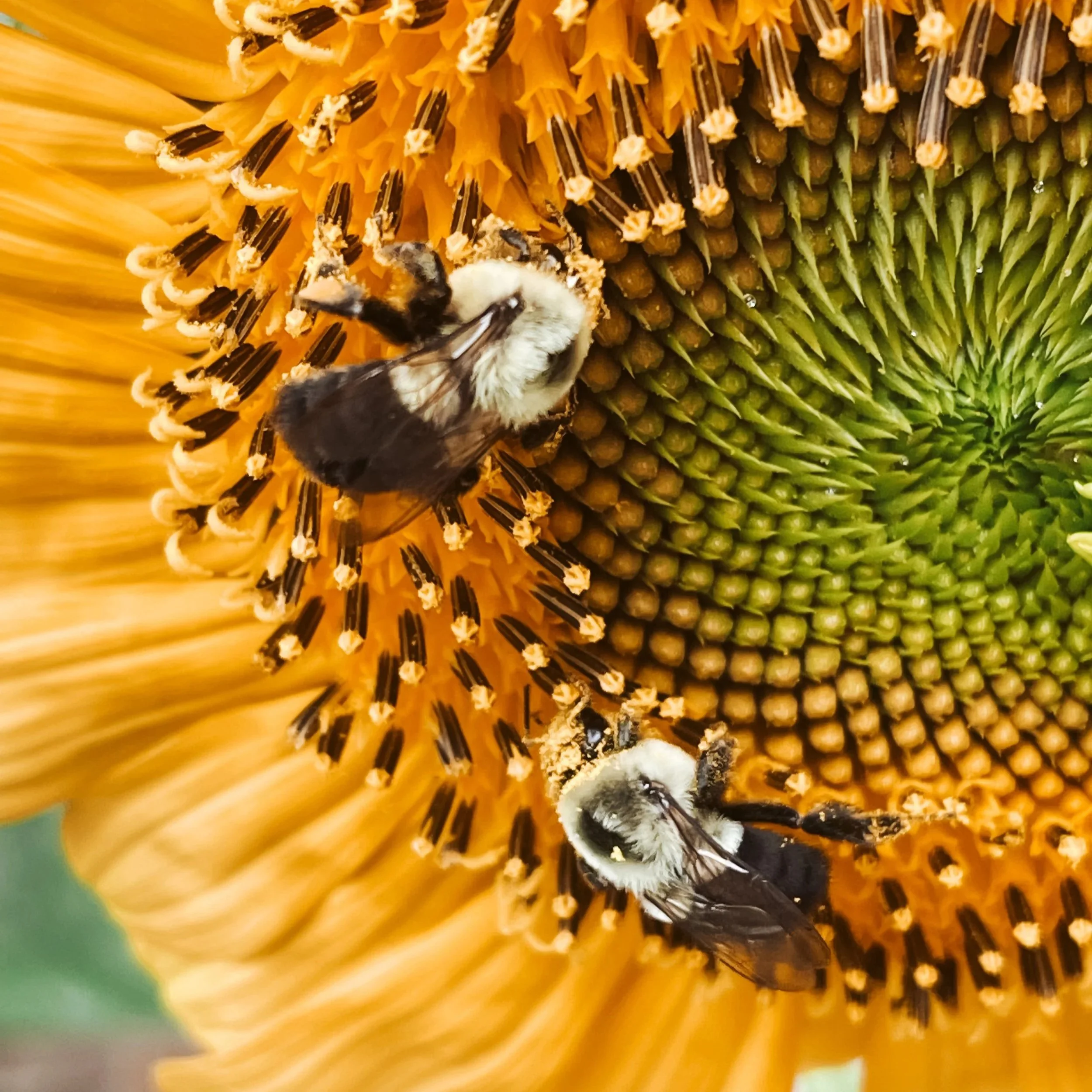
Bees and butterflies LOVE sunflowers, plus they always make me smile. They are a great addition to any garden.
6. Don't Forget the Pollinators
When I first started growing vegetables, I made the classic beginner mistake.
I wanted to grow food.
So why would I waste precious garden space on flowers?
I eventually learned that flowers weren't wasting garden space at all.
They were helping create the garden.
Pollinators such as bees, butterflies and other insects play an important role in producing many of the fruits and vegetables we grow.
And even better?
You don't necessarily need a separate ornamental flower garden.
There are plenty of plants that can pull double duty by providing food for us and resources for pollinators.
Sunflowers are a perfect example.
So are herbs when they flower.
Letting some plants bloom can bring an entirely different level of life into your garden.
And once you start noticing the bees, butterflies and other insects visiting your plants, you may find yourself becoming just as interested in the wildlife as you are in the vegetables.
I know I did.
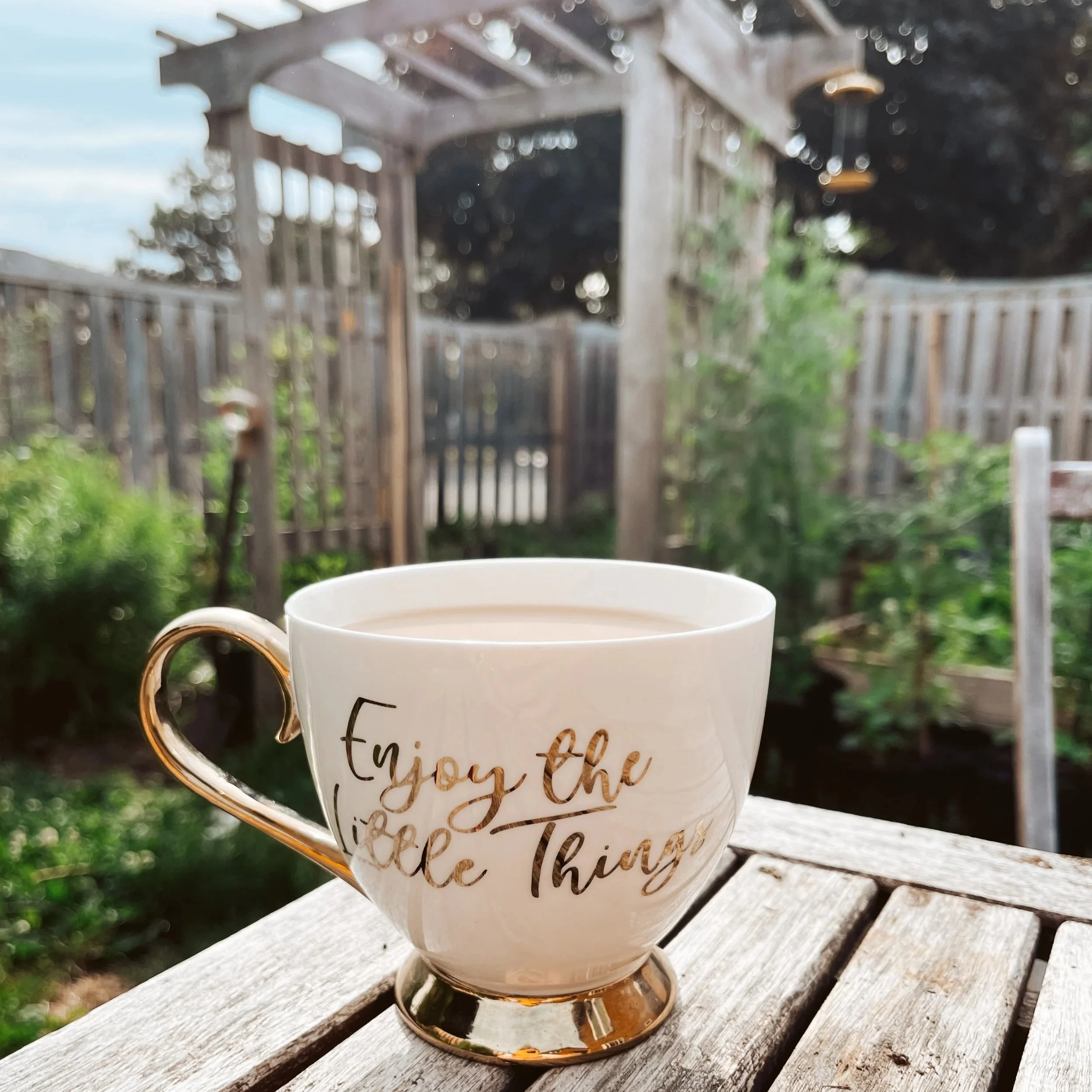
Spend time just sitting and observing what is going on in your garden. I like to go out first thing in the morning with my coffee.
7. Be a Present Plant Parent
There is a big difference between being in your garden and actually looking at your garden.
Try to spend a few minutes regularly observing your plants.
Not watering.
Not weeding.
Not harvesting.
Just looking.
Because your garden is constantly giving you information.
You might notice:
A few holes appearing in the leaves
Aphids gathering on new growth
A plant starting to wilt
Leaves changing colour
Flowers appearing
Fruit beginning to develop
A plant suddenly growing much faster
Something that simply doesn't look right
Catching a problem early can make a huge difference.
But there's another benefit to paying attention:
You start learning your plants.
One year, I was growing Chinese string eggplant and noticed something that completely confused me.
The variety produces beautiful purple fruit.
But the tiny baby eggplants I was growing were completely white.
I thought I'd somehow mixed up my seeds.
So I started watching them closely.
And eventually I discovered that the young fruit actually starts out white and gradually develops those purple streaks as it grows.
I'd grown this variety before.
I had simply never paid enough attention to notice.
That's the kind of thing you learn by watching your garden instead of simply working in it.
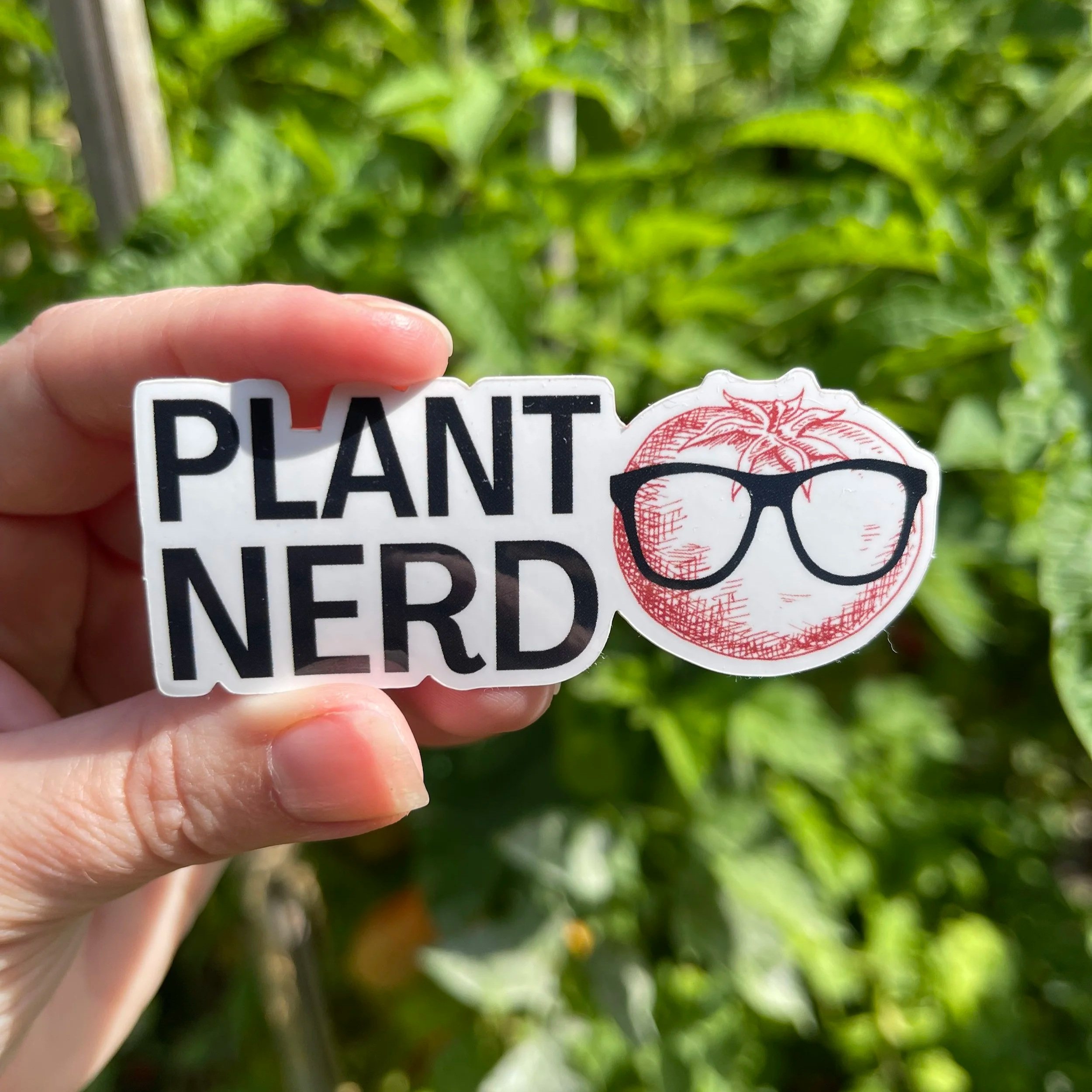
Become a plant nerd and try to understand why things are happening. Experiment, push boundaries…it’s your garden so you get to decide.
8. Become a Plant Nerd
I'm both a book nerd and a plant nerd, so this one comes naturally to me.
But seriously: keep notes.
You don't need an elaborate gardening journal or an expensive app.
A notebook works perfectly well.
The goal is to create a record of your garden.
Because eventually you're going to forget what happened.
Trust me.
Write down things like:
When you started your seeds
When you transplanted them
When you harvested
Which varieties performed well
Which varieties didn't
When pests appeared
What pests you found
Which treatments worked
Which diseases you encountered
What you planted where
Which varieties you want to grow again
Which varieties you absolutely never want to grow again
That last category is important.
There is no reason to give garden space to a vegetable you hated growing, hated eating and spent six months fighting with.
Your garden journal becomes more valuable every year because you're building a record of what actually works in your garden.
And that information is often more useful than generic gardening advice because your garden is unique.
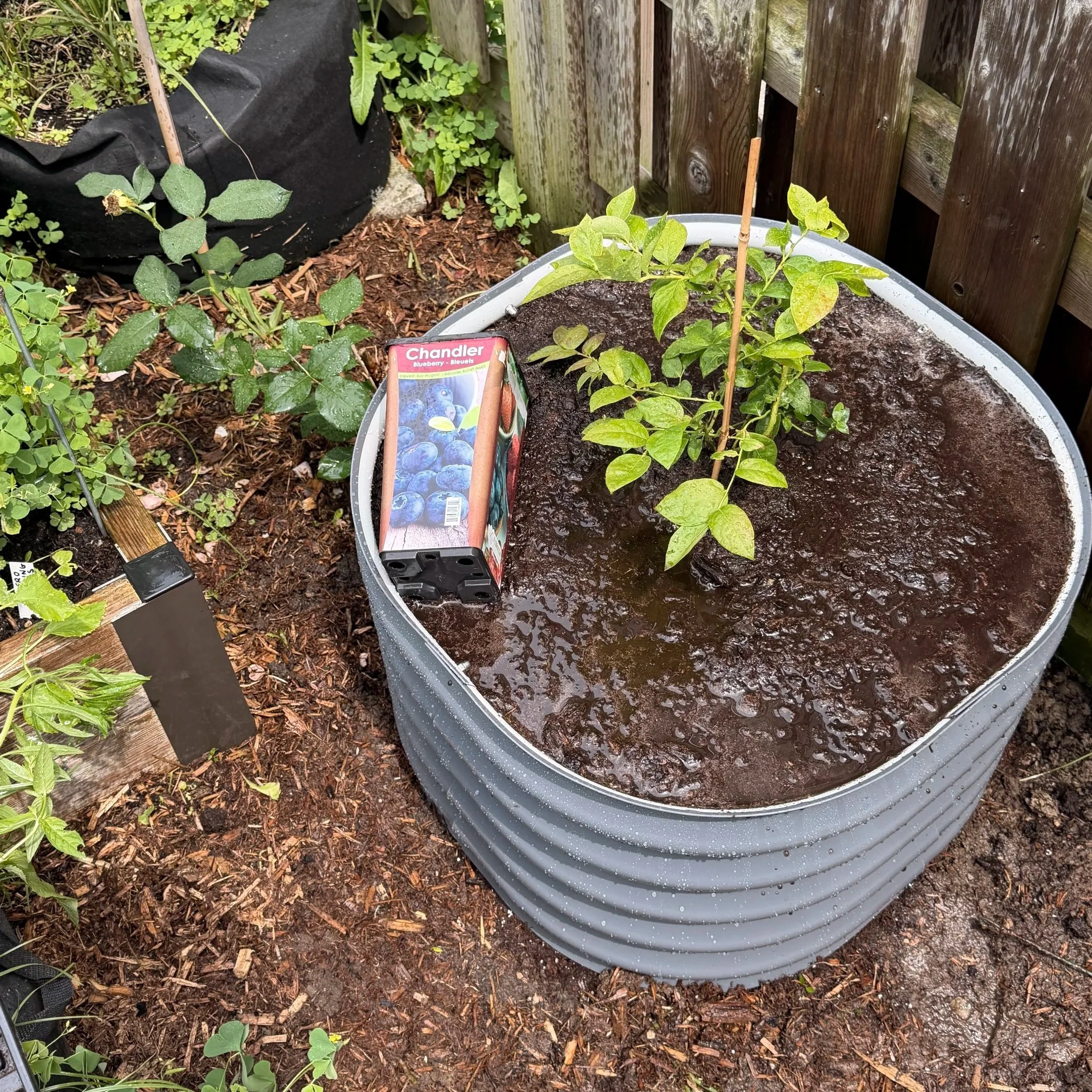
You can start with something as simple as a single plant in a pot. See how it grows, and then add more things later.
9. You Don't Need to Start Big
One of the biggest misconceptions about growing food is that you need a huge backyard.
You don't.
You don't even need a backyard.
You can grow food in:
Containers
Window boxes
Raised beds
Balconies
Patios
Small yards
Vertical gardens
Community gardens
Indoor growing systems
You can even grow things like herbs, sprouts and microgreens indoors.
And honestly?
Starting small is often a really good idea.
A giant garden sounds wonderful until you're standing in it in July wondering why you thought growing 47 tomato plants was a reasonable decision.
Start with a manageable amount.
Learn how your space works.
Figure out how much time you actually have available for gardening.
Then expand if you want to.
Your garden doesn't have to be impressive.
It just has to be yours.
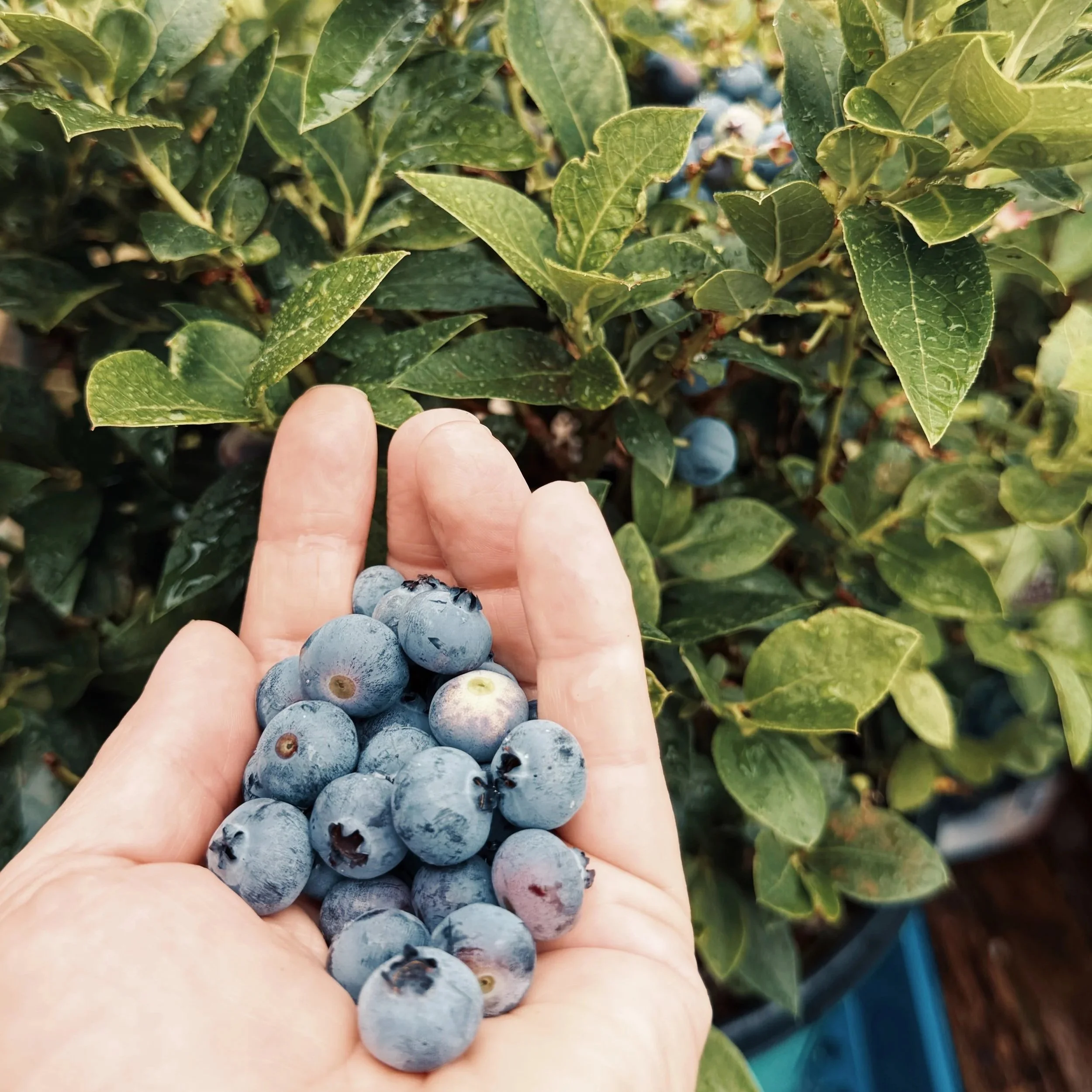
There is such an amazing feeling when you get to harvest some food that you have grown.
10. You Get to Decide What Works for YOUR Garden
If there is one thing that can make a new gardener completely crazy, it's conflicting advice.
One person says you should start seeds indoors.
Another says you should direct sow.
One person swears by a particular soil mix.
Someone else says that soil mix is terrible.
One gardener waters every morning.
Another waters deeply once a week.
And somehow they're both growing beautiful gardens.
So who's right?
Sometimes...
both of them.
Gardening advice often depends on climate, soil, available space, growing conditions, experience and personal preference.
What works beautifully for one gardener may be completely unnecessary—or even unsuitable—for another.
That doesn't mean you should ignore good gardening information.
It means you should learn to ask:
“Does this make sense for my garden?”
Try things.
Pay attention to the results.
Keep notes.
Change what isn't working.
And don't be afraid to experiment.
You don't have to follow someone else's gardening rules simply because they've always done things that way.
Your garden is a living experiment.
You get to decide what works for you.
🌱Final Thoughts
Give yourself permission to be a beginner! If you're new to gardening, please don't make the mistake of thinking you need to become an expert before you can start. You don't.
You are going to make mistakes. Even experienced gardeners do, I do it ALL the time!
Some plants will die.
Some seeds won't germinate.
Something will get eaten by a squirrel five minutes before you planned to harvest it.
You'll forget to water something.
You'll overwater something else.
You'll grow way too much zucchini.
And eventually you'll have a harvest that makes you ridiculously proud.
That's gardening.
The goal isn't to get everything right.
The goal is to learn as you grow.
Start small.
Pay attention.
Take notes.
Ask questions.
Try things.
And most importantly, have fun with it.
Because you don't need a perfect garden.
You just need to start growing.
