🥬🥕 17 Vegetables to Plant in July for a Fall Harvest
Think July is too late to plant food in your garden?
Nope.
In fact, July can be one of the most useful planting windows of the entire gardening season—especially if you're trying to squeeze as much food as possible out of a small garden.
There is still time to plant some warm-season crops, and there is plenty of time to get cool-season vegetables started for a fall harvest.
The trick is that summer planting isn't quite the same as spring planting.
In spring, we're usually worrying about getting plants warm enough and protecting them from that sneaky late frost.
In summer, the problem is almost the opposite.
It's hot.
Seeds and seedlings can struggle to get established in hot, dry soil, and cool-season crops can become stressed before the weather finally cools down.
But with a little planning, you can use July to fill empty garden space, replace harvested crops and set yourself up for a fantastic fall harvest.
Let's look at how to figure out what you still have time to grow—and the 17 vegetables I'd consider planting.
First: Find Your First Fall Frost Date
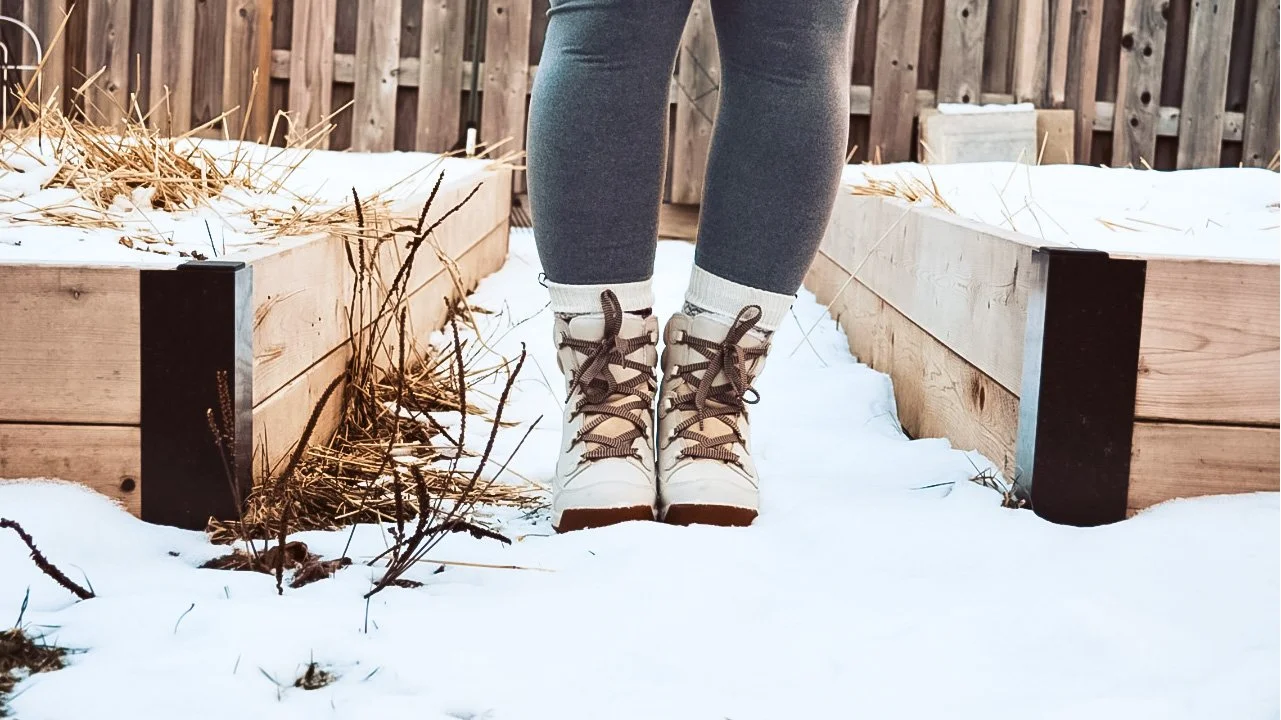
If you're planting in July, your first fall frost date is one of the most important pieces of information you can have.
Why?
Because the clock is ticking.
Every crop needs a certain amount of time to grow from seed or transplant to harvest, and you need to know approximately how much growing time you have left.
Your hardiness zone can give you a general idea of your climate, but your actual frost dates are much more useful when you're planning a late-season garden.
Find the estimated first frost date for your specific location and write it down.
Then we can figure out how much growing time you actually have.
Calculate Your Remaining Frost-Free Days
Once you know your first expected fall frost, count the number of days between now and that date.
For example, let's say you have 85 frost-free days remaining.
At first glance, that sounds pretty good.
You might look at a seed packet that says “Days to maturity: 75 days” and think:
Perfect! I've got 10 days to spare!
Not so fast.
There is another factor we need to consider.
Account for Slower Growth as the Days Get Shorter
When you're planting after the summer solstice, the days are gradually getting shorter.
The change is subtle at first, but the amount of daylight available to your plants continues to decrease as summer turns toward fall.
Cooler temperatures and shorter days can slow growth compared with the conditions plants experience earlier in the summer.
That's why I like to build some extra time into my calculations when planning a fall garden.
As a rule of thumb, I like to allow approximately 10–14 additional days beyond the seed packet's stated days to maturity for many late-season plantings.
So instead of thinking:
75 days to maturity = 75 days needed
I would plan for something closer to:
75 + 10–14 days = approximately 85–89 days
This isn't an exact formula. Actual growth rates depend on the crop, variety, weather, sunlight and growing conditions.
But building in a little extra time can help prevent the classic late-season gardening mistake of realizing in October that your vegetables need another three weeks to mature.
An easier way to think about it
Instead of adding 10–14 days to every seed packet you pick up, you can subtract roughly 10–14 days from your remaining frost-free days.
So if you have:
85 frost-free days
I'd treat that as roughly:
71–75 usable growing days
for planning purposes.
That gives you a more conservative target when deciding which crops are worth planting.
My Rule: Don't Make the Calendar Do All the Thinking
The numbers are helpful, but they're not everything.
A vegetable listed as 60 days to maturity doesn't come with a tiny countdown timer attached to it.
Those “days to maturity” numbers are estimates and can vary depending on whether you're growing from seed or transplant, as well as weather and growing conditions.
So use the numbers as a planning tool, not a guarantee.
And when you're deciding whether to plant something in July, ask:
How many days until my first frost?
How many days does this crop need to mature?
Is it a warm-season or cool-season crop?
Can it tolerate frost?
Am I planting from seed or transplant?
That's going to give you a much better answer than simply asking, “Is July too late?”
Give Your July Plantings a Head Start
One of the best ways to make late-season gardening work is to start your plants before putting them outside.
This is especially helpful for cool-season crops such as broccoli, cabbage and cauliflower.
Starting seeds indoors under grow lights gives the plants a chance to develop while they're protected from the worst of the summer heat.
Once they're established, you can transplant them into the garden.
You don't have to do this, though.
If you don't have grow lights or a suitable indoor setup, you can absolutely direct sow many crops.
You just need to pay more attention to keeping the seedbed moist while seeds are germinating and seedlings are getting established.
Starting indoors is an advantage—not a requirement.
Pay Attention to Your Garden's Microclimates
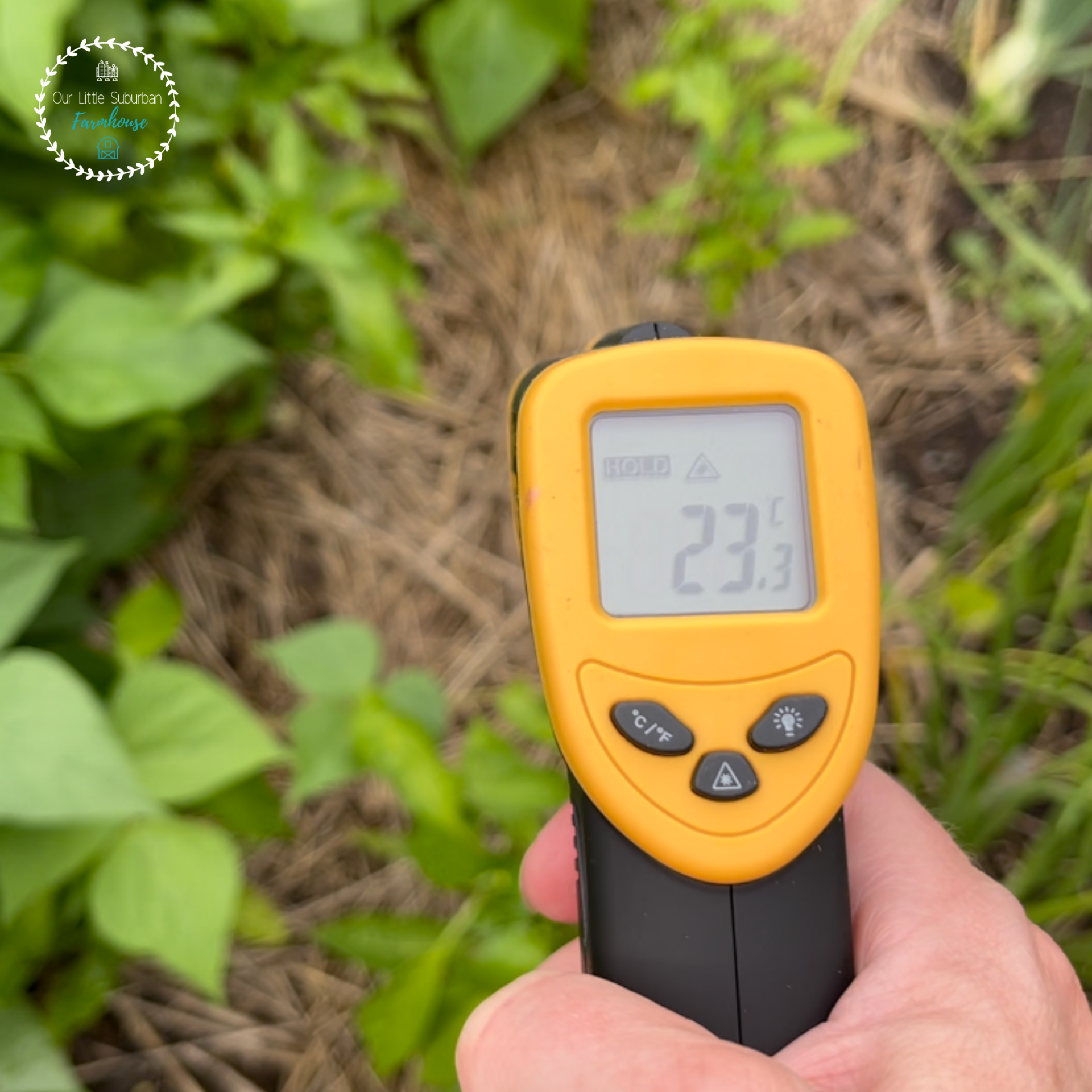
Your garden isn't one uniform growing environment.
Different areas can have surprisingly different temperatures and conditions.
A spot beside a south-facing wall might stay warmer than an exposed area.
A shady corner beneath a tree may be significantly cooler.
And yes, that giant zucchini plant taking over half your garden may actually be creating its own little shady microclimate.
This can work to your advantage.
Warm spots
Use warmer, sunnier locations for crops that still need heat, such as:
Cucumbers
Beans
Summer squash
Winter squash
Cooler spots
Use partially shaded or naturally cooler areas to help cool-season crops get established.
If your garden doesn't naturally have enough shade, you can create some with shade cloth.
This is particularly useful when you're trying to establish crops that would much rather be growing in September than July.
Keep Cool-Season Crops Cool
This is one of the biggest differences between spring planting and summer planting.
Cool-season vegetables may eventually thrive when the weather cools down, but they aren't necessarily thrilled about being transplanted into the middle of a July heatwave.
Broccoli, cabbage, kale and other cool-season crops can struggle when they're young and exposed to intense summer heat.
A little temporary shade can make a big difference while they get established.
Once temperatures begin to moderate, they'll be ready to take off.
And that's exactly what we're aiming for.
Get them established now so they're ready to produce when fall arrives.
17 Vegetables You Can Plant in July for a Fall Harvest
Now for the fun part.
There are two main groups I would consider when planting for a fall garden in July:
☀️ Warm-season vegetables that can still mature before frost
and
☃️ Cool-season vegetables that thrive as summer fades into fall.
☀️ Warm-Season Vegetables
These crops still appreciate warm temperatures, so they're good choices when you have enough growing time left before your first frost.
1. Cucumbers
Cucumbers grow quickly in warm weather, making them a great candidate for a July planting.
Choose an early-maturing variety and keep them consistently watered while they're getting established.
If you're growing in a small space, look for compact or bush varieties—or grow vining varieties vertically.
2. Summer Squash
Summer squash can grow incredibly quickly when conditions are right.
If you have enough frost-free time remaining, a July planting can give you a fall crop.
Of course, there's one tiny problem with growing summer squash:
You may end up with 47 zucchinis.
If that happens, I have some ideas for you.
3. Winter Squash
Winter squash generally needs more time than summer squash, so this one requires a little more attention to your days to maturity.
Choose an early-maturing variety if you're planting in July and make sure you have enough growing time remaining.
If space is limited, pay close attention to the variety's growth habit. Some winter squash vines are determined to conquer the entire garden.
4. Bush Beans
Bush beans are another excellent choice for succession planting.
They mature relatively quickly and don't need nearly as much space as many vining crops.
If you've already harvested an earlier crop of beans, July can give you an opportunity to get another round going.
5. Pole Beans
Pole beans can also be planted in July if you have enough time remaining in your growing season.
They take advantage of the warm summer temperatures and can continue producing into fall, depending on your first frost date.
Just make sure you've got a sturdy support system. Pole beans are climbers. They will find something to climb whether you intended them to or not.
☃️ Cool-Season & Frost-Tolerant Vegetables
This is where July planting gets really exciting.
Many cool-season crops actually prefer fall weather to summer weather.
And some become sweeter after being exposed to light frost.
These are some of my favourite crops to plant for a fall garden.
6. Broccoli
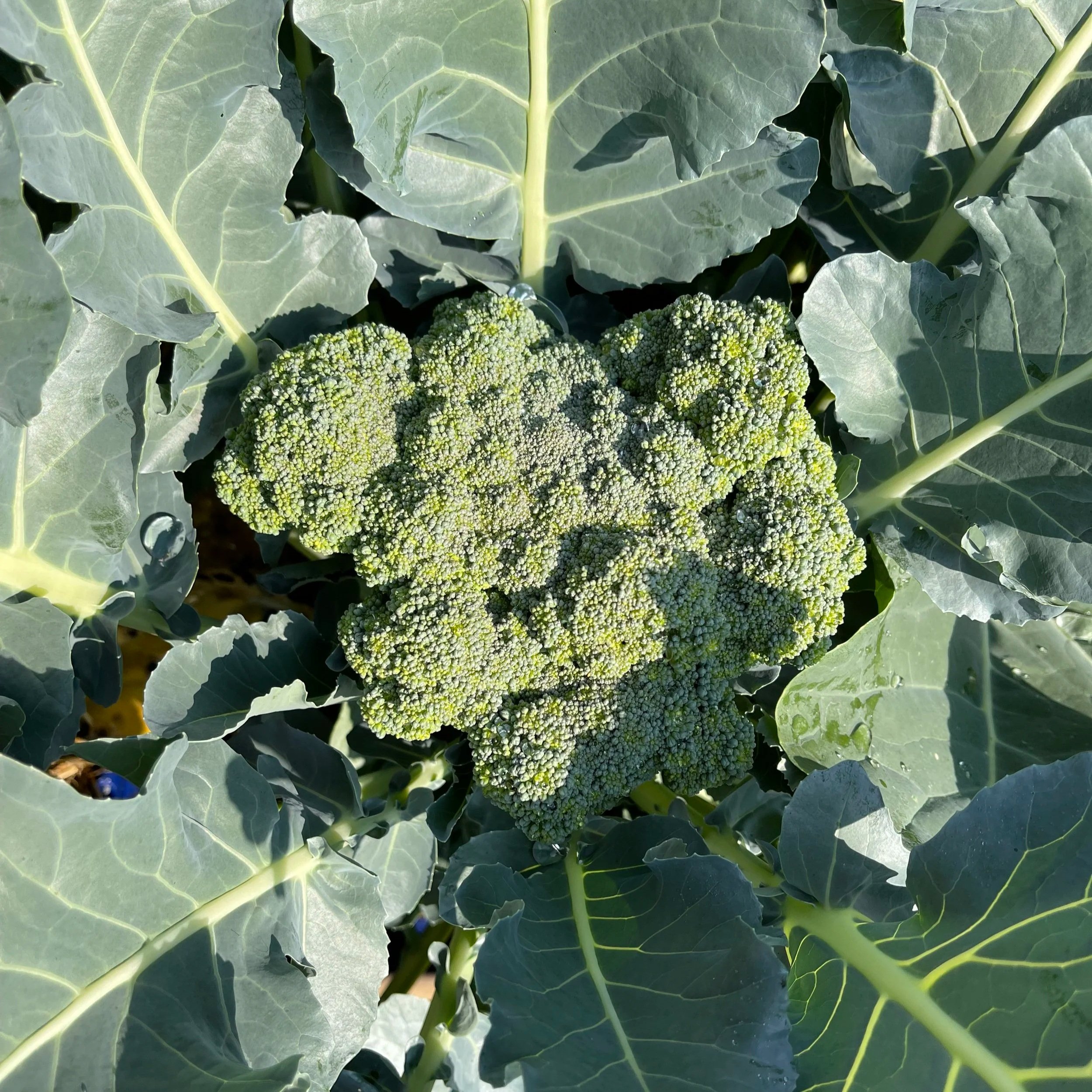
Broccoli is an excellent candidate for a late-season garden.
In fact, I often prefer growing broccoli for a fall harvest because the cooler weather makes growing conditions much more pleasant.
For July planting, starting with transplants gives you a head start.
7. Cauliflower
Cauliflower can be a little fussier than broccoli, but a July transplant can give you enough time to grow a fall crop in Zone 5.
Choose an appropriately early variety and pay close attention to your frost date.
8. Cabbage
Cabbage is another excellent fall crop.
It handles cool weather well and can tolerate light frost.
There are also plenty of varieties with different maturity times, so check the seed packet when choosing one for a July planting.
9. Brussels Sprouts
Brussels sprouts are particularly well suited to a fall garden.
They need a long growing season, which means July isn't necessarily the time to start them from seed in a short-season climate.
Transplants are your friend.
Once established, they can continue producing well into cool weather.
10. Kale
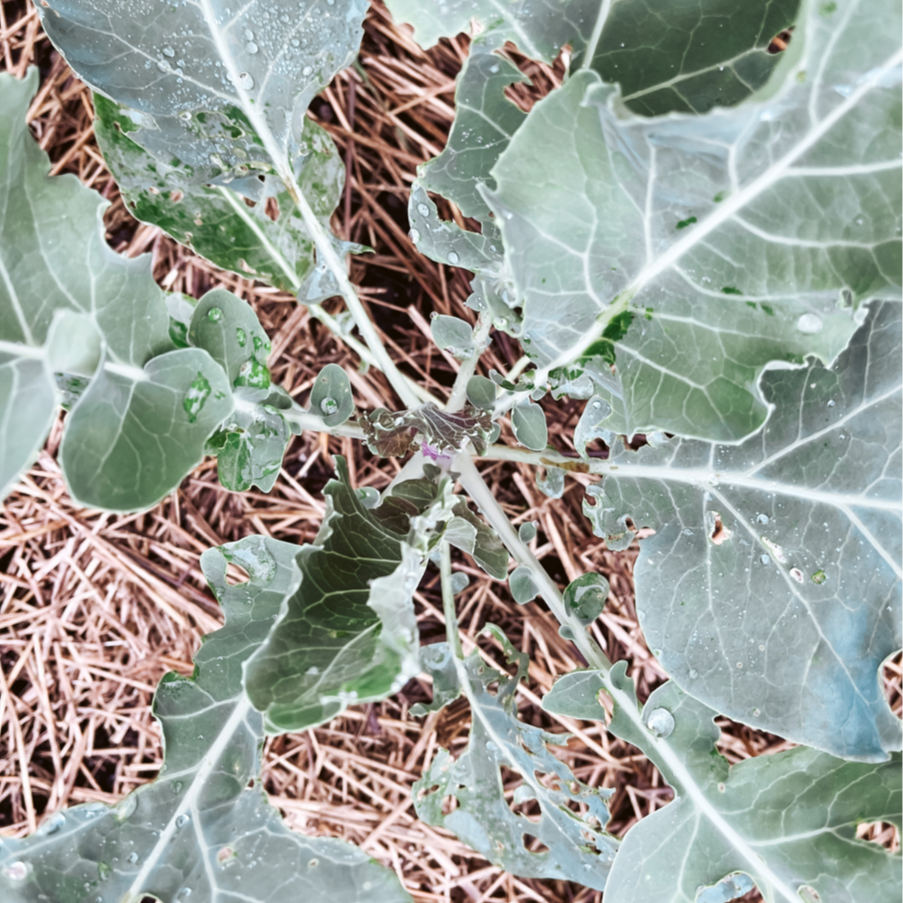
Kale is one of the stars of the fall garden.
It tolerates cold extremely well and can keep producing long after many other vegetables have packed it in for the season.
And yes, frost can actually improve the flavour of kale by making the leaves taste sweeter.
11. Kohlrabi
Kohlrabi is another crop that does particularly well in cool conditions.
It grows quickly enough to make a July planting worthwhile, especially when you're looking for something different to add to the fall garden.
12. Bok Choy
Bok choy grows quickly, making it a useful crop for late-season planting.
The cooler conditions of late summer and fall can also reduce some of the problems associated with growing it during the hottest part of the year.
Keep an eye on maturity dates because some varieties are much faster than others.
13. Chinese Cabbage
Chinese cabbage can be a fantastic fall crop.
The key is timing.
Starting it too early in hot weather can encourage bolting, while a well-timed late-summer planting can give you a beautiful fall harvest.
14. Mustard Greens
Mustard greens are fast-growing, cold-tolerant and perfect for a fall garden.
They're also a great choice when you don't have a huge amount of time left before frost because you can harvest many varieties as baby greens.
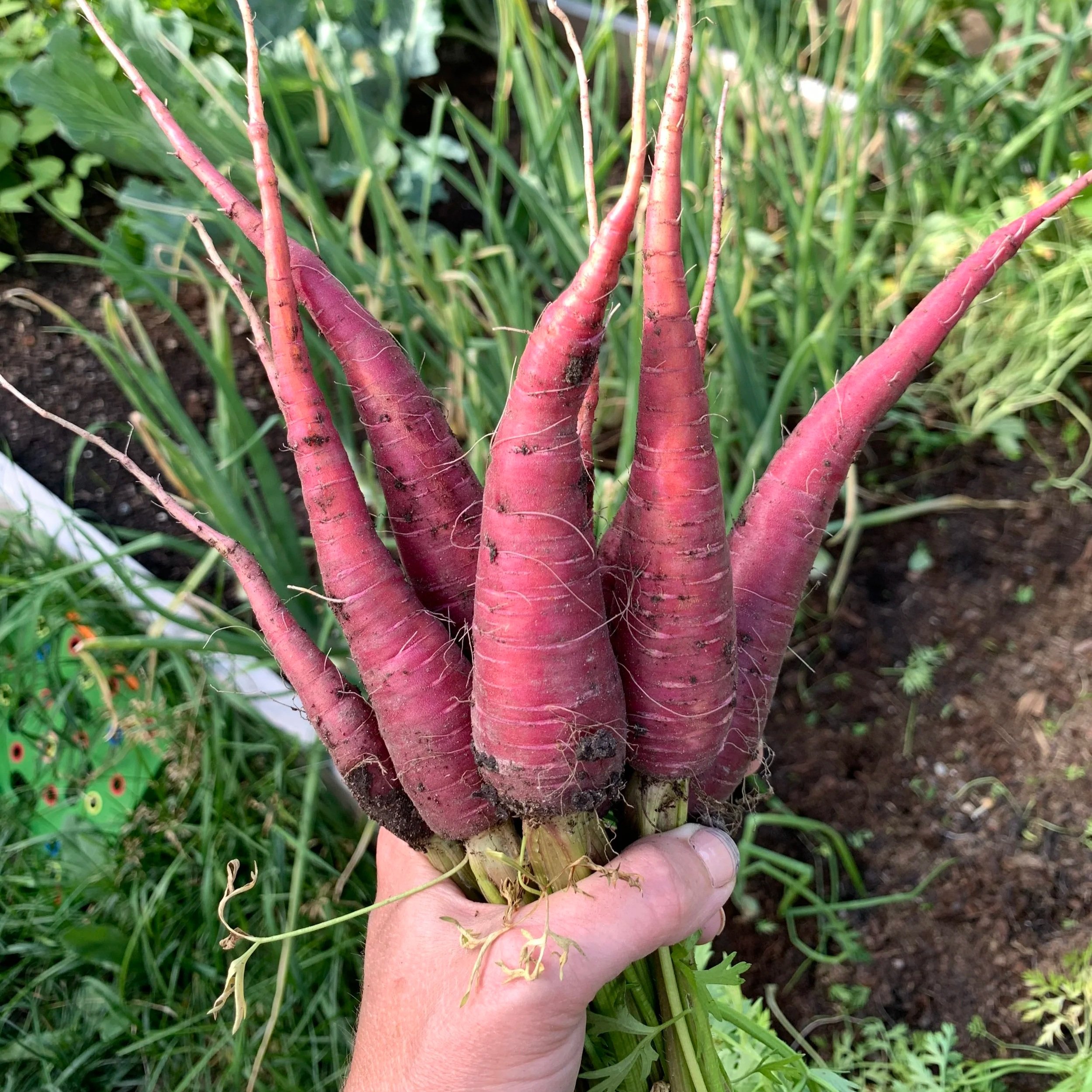
15. Carrots
Carrots are another great July crop.
Cooler temperatures later in the season can actually improve their flavour, and many varieties can tolerate quite a bit of cold.
Choose a variety appropriate for the amount of growing time you have remaining.
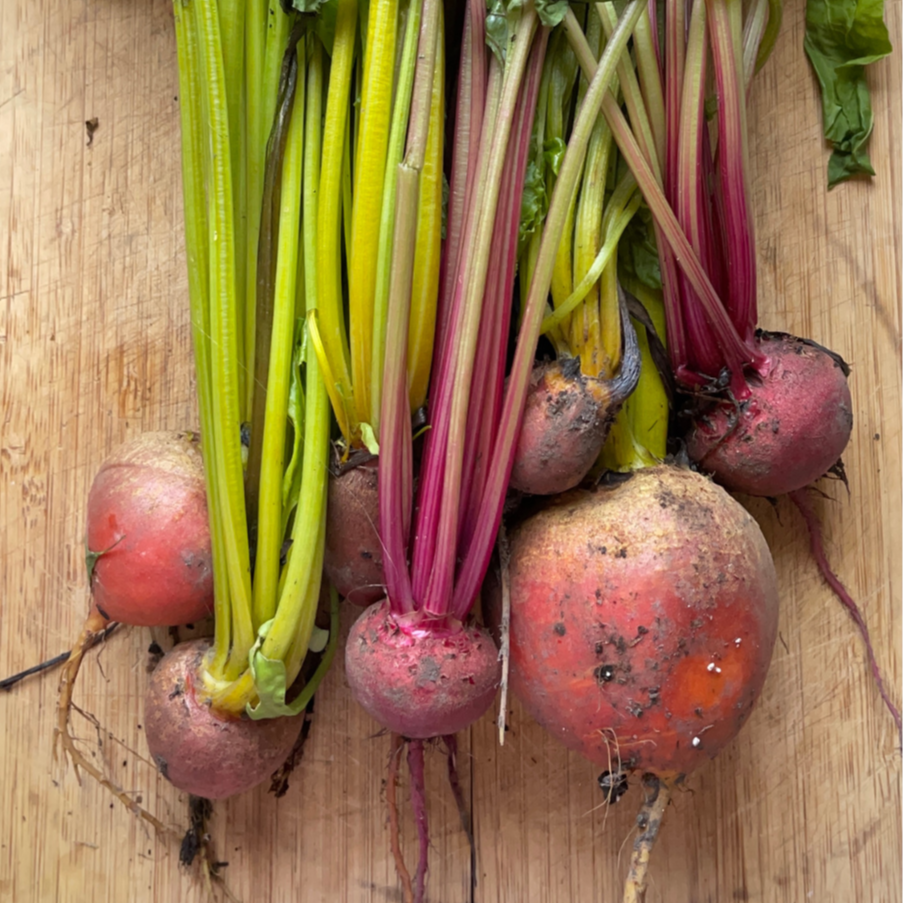
16. Beets
Beets are another excellent candidate for a fall planting.
You get two harvests from one crop: the roots and the greens.
And because they tolerate cool temperatures well, they're perfectly happy hanging around in the garden as summer turns into fall.
17. Swiss Chard
Swiss chard is a productive crop that can continue producing well into cooler weather.
It isn't as cold-hardy as some of the crops on this list, but it's still a useful choice for extending your harvest into fall.
And let's be honest—the rainbow varieties are ridiculously pretty.
Quick Reference: What Can You Plant in July?
Don't Forget About Succession Planting
One of my favourite things about July planting is that you're not necessarily starting from scratch.
Your spring crops may already be finished.
Lettuce has bolted.
Radishes are done.
Peas have stopped producing.
Garlic has been harvested.
And suddenly you've got empty garden space.
Don't leave it empty!
Succession planting means using that space again for another crop.
Instead of thinking of your garden as something you plant once in spring and harvest until fall, think of it as a space that can keep producing throughout the season.
That's especially important when you're gardening in a small space.
Every square foot matters.
Plan Backward From Your First Frost
The easiest way to know what you can still plant isn't to ask:
“What can I plant in July?”
Instead, ask:
“What can mature before my first frost?”
Start with your expected first frost date.
Count backward.
Then factor in:
Days to maturity
Your local growing conditions
The variety you're growing
Whether you're starting from seed or transplant
The slower growth that can occur as daylight decreases
Whether the crop can tolerate frost
Suddenly, July doesn't look nearly as late as you thought.
Get Your Free Fall Planting Guide
If you're planning a fall garden, I created a free Fall Planting Guide to make figuring out your planting dates easier.
It can help you work backward from your first frost date and decide what you still have time to grow.
[GET YOUR FREE FALL PLANTING GUIDE →]
🌱 Final Thoughts
So, is July too late to plant a vegetable garden?
Absolutely not.
July can actually be one of the best opportunities to maximize your garden's productivity.
You can squeeze in another crop of beans or cucumbers, fill empty spaces left behind by spring crops, and get your fall vegetables established before the weather cools down.
The secret is planning.
Know your first frost date.
Know how many days you have left.
Check the days to maturity for the specific variety you're growing.
Give cool-season crops some protection from the summer heat while they're getting established.
And don't be afraid to plant something just because it's July.
Your garden doesn't have to stop producing just because summer is winding down.
Keep planting. Keep experimenting. Keep growing.
Because the more food you can grow in the space you have, the better.
