🍂🍁10 Vegetables to Plant in a Fall Garden
If you live in zone 5/6 as I do, then August is your golden month for planting a fall garden. This is your last chance to get your planting on and have a harvest before the chill of winter sets in. If you’re picturing planting a second round of tomatoes then I need to be the bearer of bad news. This isn’t a free for all and there are only specific crops that this endeavour will allow. That said, being able to have a second garden of any sort is a win in my books.
Disclosure: Some of the links below are affiliate links, meaning, at no additional cost to you, I will earn a commission if you click through and make a purchase.
How to Know If You Still Have Time to Plant?
One of the biggest mistakes gardeners make is planting based on the calendar instead of their first average frost date. Just keep in mind that determining this date is art, not science. It could come earlier or later, so if you have a variety that won’t be ready a bit before that date it could be a bit dicey. That said, all you have to lose is a seed or two, so it’s almost always worth the risk! If you don’t know yours then you can look up your area's average first frost date here).
🌱 Don't Forget the Fall Gardening Rule!
Seed packets list days to maturity based on the longer, warmer days of the main growing season. After the summer solstice (around June 21), plants receive fewer hours of daylight and generally grow more slowly.
As a rule of thumb, add 10–14 days to the listed days to maturity when planning a fall garden. This extra buffer gives your crops a better chance of reaching harvest before your first frost.
For example, if a lettuce variety is listed as 45 days to maturity, plan on it taking 55–60 days in a fall garden.
If you're cutting it close, don't panic. Many leafy greens and root crops tolerate light frosts and often taste even better after the weather cools. You are going to want to focus on plants that either grow quickly or those that are frost tolerant. So let’s take a look at some of the contenders for your fall garden. Then you can decide which if any you want to go and plant! Let’s hope the fall chill holds off so we can all get our second harvest in.
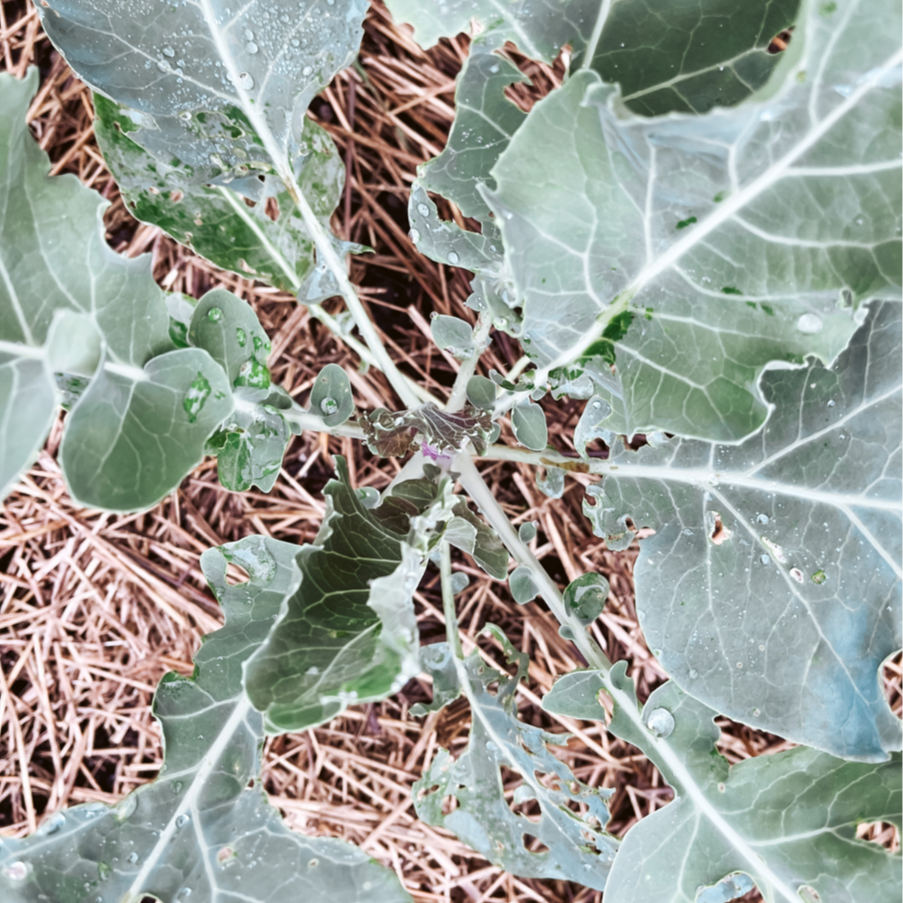
Super hardy!
If there is one thing that persists far into the winter it is kale! So if you are looking for something to harvest even after the snow starts then this is a great option.
🥬 Kale
I’m pretty sure this is the most durable vegetable ever. It can even overwinter (just cover it up) on occasion, so it is a prime candidate for your fall garden. I have Siberian dwarf kale and black kale growing in my fall garden. A little frost actually can sweeten the kale a bit. Let’s not get too excited about I mean its kale. So it’s not going to taste sugary unless you cook it in brown sugar but a light frost actually sweetens kale by converting some of its starches into sugars. Don't get too excited—it still tastes like kale—but it definitely becomes milder and more enjoyable.
Plant: 6–8 weeks before your average first frost
Harvest: Baby leaves in about 30 days or mature leaves in 50–60 days.
Why it works
Kale is one of the most cold-hardy vegetables you can grow. In fact, a light frost actually improves its flavour by converting some of the plant's starches into sugars, making the leaves sweeter and less bitter.
💕 My favourite varieties
Nero Toscana (Lacinato/Dinosaur Kale)
Red Russian
Dwarf Siberian
Scarlet Kale
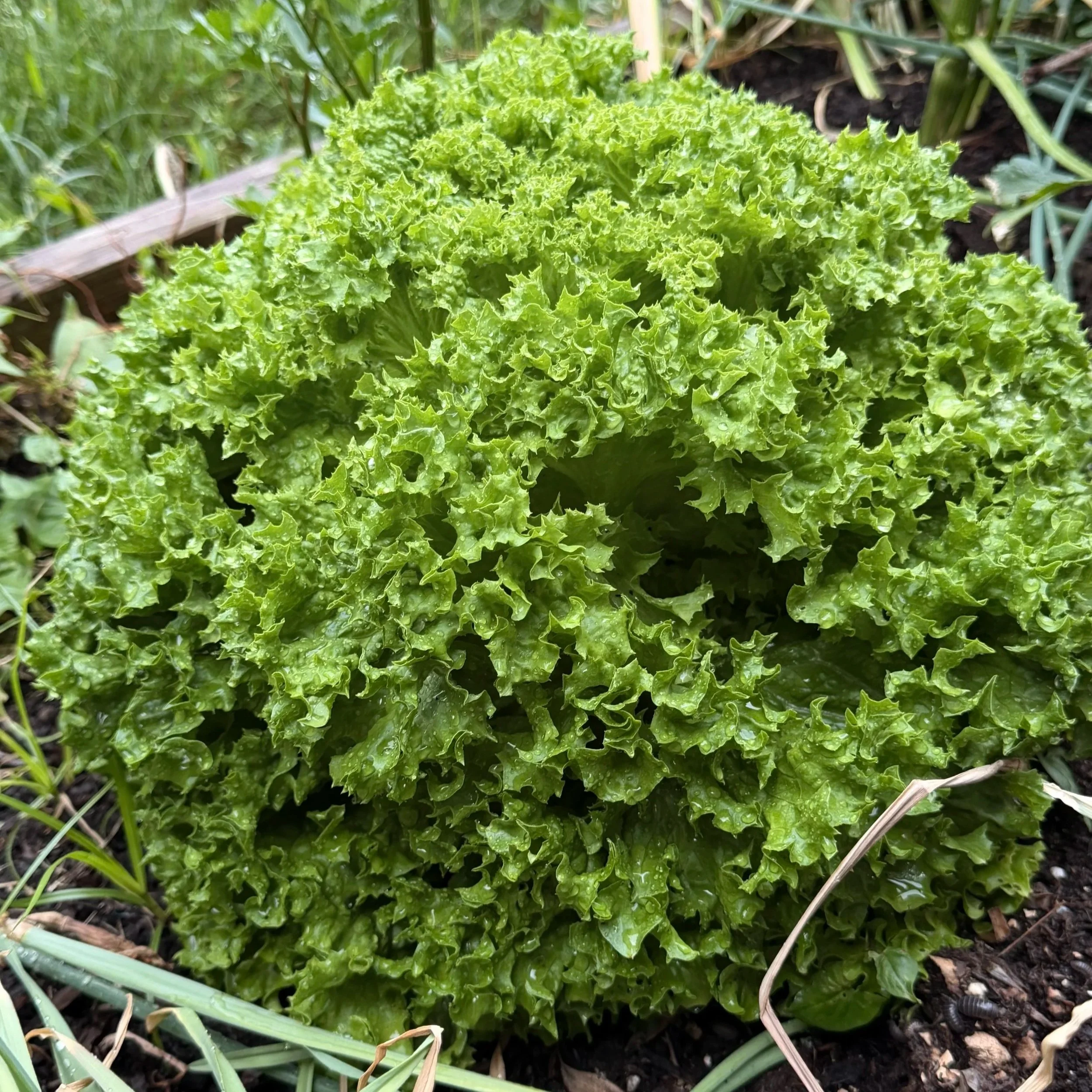
Safer than the grocery store
Every few months there seems to be a news story about people getting sick from grocery store lettuce. You can get a pack of HUNDREDS of seeds for the same price as a SINGLE lettuce from the store! It just makes so much sense to grow your own.
🥗 Lettuce
Lettuce isn’t a sun bunny by any means, so a fall garden suits it just fine. It is a pretty hardy veggie that can withstand cooler night temperatures. I have four varieties I am growing outside (and in the winter inside in my Aerogarden). The four I am growing are Forellenschluss (speckled trout) romaine, Butter King, Butter Crunch and Garnet Rose Romaine. I love making salads using all four, the garnet rose lettuce adds a huge pop of colour and the butter lettuces adding a smooth buttery consistency to the salad.
Next year think I may add Tom Thumb lettuce to my garden. It is just so wee and it is also a great heirloom lettuce dating back to the 1850s! Using a cold frame will extend your lettuce growing into the winter. Just make sure to start planting at least 8 weeks before your first frost. But it doesn’t stop there! Word on the street is that you can keep planting until about 2 weeks before the first frost date!
Plant: 4–8 weeks before your average first frost
Harvest: Baby leaves in 25–30 days or full heads in 45–60 days.
Why it works
Lettuce thrives in cool weather and often produces sweeter, more tender leaves in fall than it does during the heat of summer. You can also sow successive crops every couple of weeks for a continuous harvest.
💕 My favourite varieties
Buttercrunch
Lolla rossa
Ilema
Tom Thumb (for very small spaces)
Buttercrunch
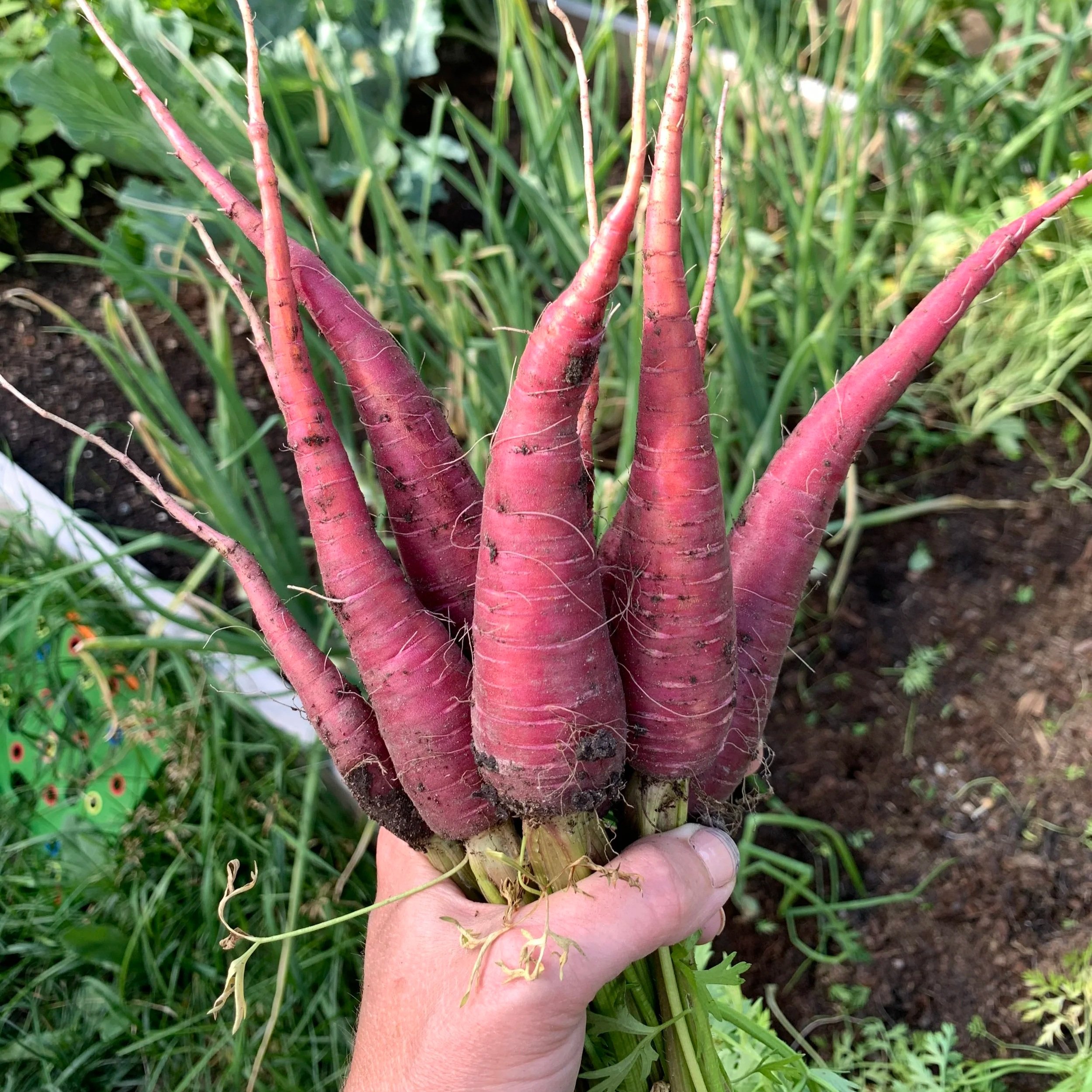
So many colours!
Banish the orange grocery store corrots and try your hand at growing some of the other carrot varieties that come in red, purple, yellow and white hues!
🥕 Carrots
Good lord where do I start with carrots? These are some of my favourite veggies to grow after tomatoes of course. I have so many different varieties in my garden at any given time. I have purple, orange, red, yellow and white varieties. They are great to include in just about every dish in the fall/winter. I mean what stew or soup would be complete without them? I especially love using them to make my curried carrot coconut soup.
These little guys get a boost from the cooler temperatures as their starches start to do wonderful things. The cold causes the starch to turn to sugar, which makes winter carrots extra delicious! Just make sure to choose varieties that don’t take too long to get to maturity. You will also want to keep them cool as they don’t like the August heat. So make sure to water them once or twice a day.
Plant: 10–12 weeks before your average first frost
Harvest: About 60–80 days depending on the variety.
Why it works
Cool weather makes carrots sweeter by converting stored starches into natural sugars. Some gardeners even leave them in the ground after a light frost for even better flavour.
💕 My favourite varieties
Cosmic Purple
Yellowstone
Atomic Red
White Satin
Napoli
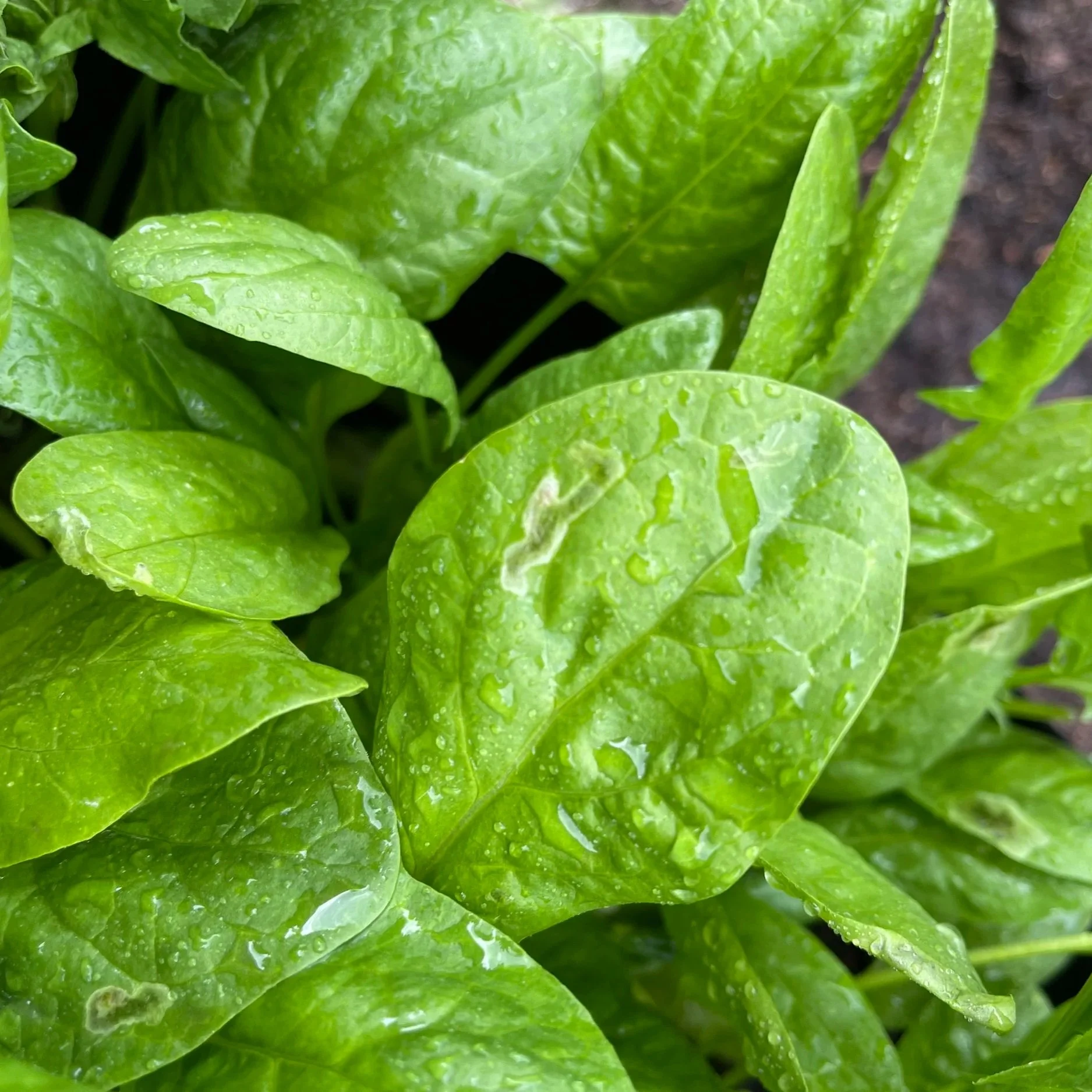
Keep it cool
Spinach shines in a fall garden as it thrives in cooler temperatures. The end of summer heat can help jump start the seedlings but then the cooling temperature of fall keep the mature plants from bolting. Just make sure to harvest the outer leaves frequently.
🌿 Spinach
Spinach is great for a fall garden and even better in your belly. As long as you plant it early in August (8 weeks before your first frost) you should have your first harvest by mid-october. I love making a baby spinach salad, complete with sliced strawberries, raisins, goat cheese and caramelized pecans. I did start out healthy with the best of intentions but then I guess it went downhill, but damn it’s tasty! Anyway grow the spinach and eat the spinach and be healthier. Even better grow it, chop it, freeze it and add it to soups, stews or my some delicious Italian wedding soup!
If you are luck enough to have your own cold frame, then plant your spinach there. Using this method you should be able to keep harvesting small amounts of spinach during the winter.
Plant: 6–8 weeks before your average first frost
Harvest: Baby leaves in 30 days; mature leaves in 40–50 days.
Why it works
Spinach loves cool temperatures and is much less likely to bolt in the fall than during the summer. It can also tolerate surprisingly cold weather and often survives light frosts.
💕 My favourite varieties
Bloomsdale Long Standing
Giant Winter
Baby's Leaf
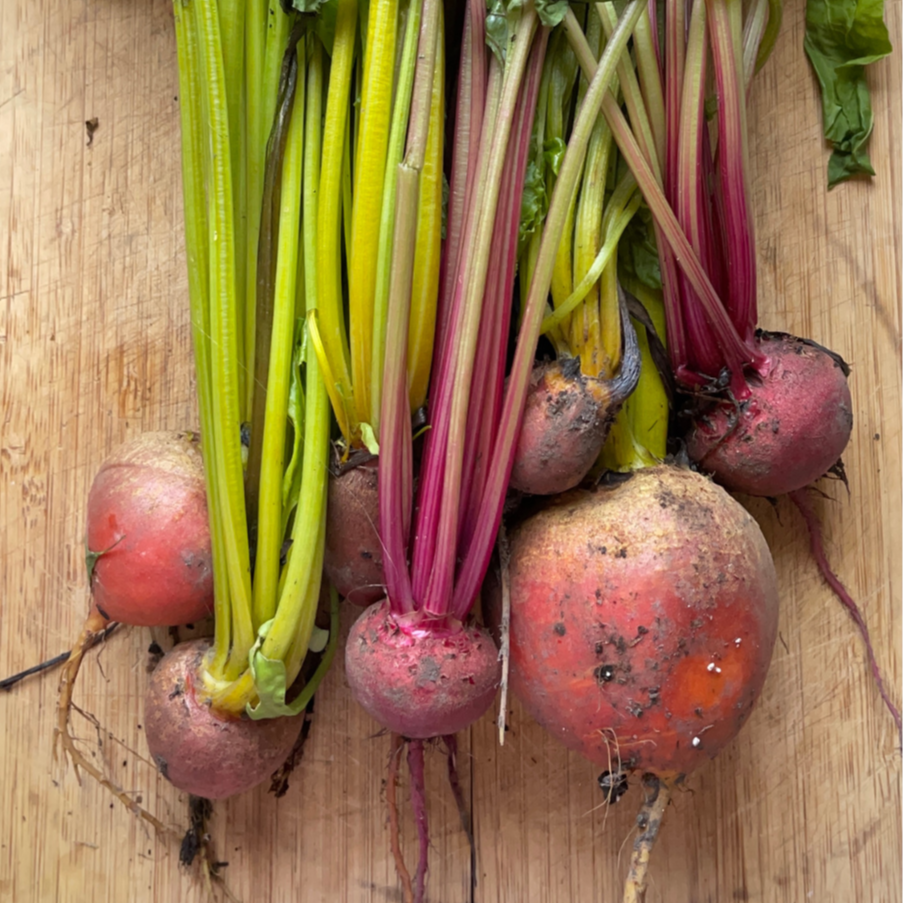
Earthiness incarnate
Ok, so I don’t love beets either, but I do grow them for my dad who loves them, especially when they are pickled.
Beets
Make sure to plant your beets at least 8 weeks before your first frost, or even a bit sooner just to be on the safe side. For me in Zone 5b my first frost date is around the start of October. I can’t believe we are talking about frost in August, but here we are. As much as I hate to do it, it is necessary to make sure you get your beets in with enough time for them to actually grow! I love Chioggia beets with their bullseye patterns as well as golden beets and finally taunts beets. In the interest of full disclosure must admit I only like eating them raw when they are finely shaved. I should give a shout out to Kupfert and Kim for getting me to eat them, they are just delicious in the Oxaca box. That said, I do make up some homemade pickled beets every year as my dad just loves them.
Plant: 8–10 weeks before your average first frost
Harvest: 50–60 days.
Why it works
Beets grow well in cooler weather and provide two harvests in one—the roots and the nutritious beet greens.
💕 My favourite varieties
Chioggia
Golden Beet
Badger Flame
Touchstone Gold
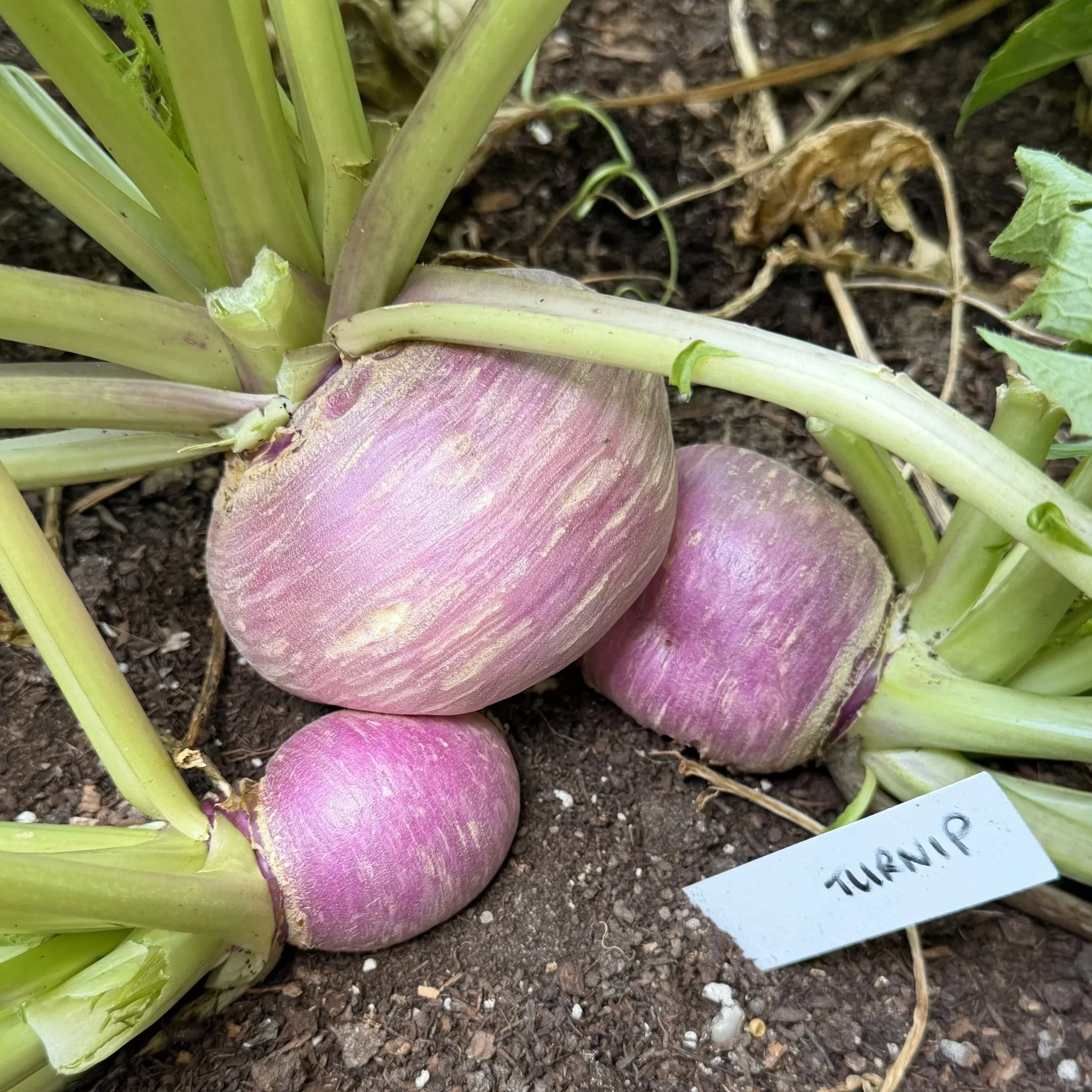
Multisowing
When I grow turnips (as well as beets and radishes) I like to multisown them by placing 3-4 seeds per bunch. I can then harvest whichever is the biggest and leave the others to keep growing. While this goes against what the seed packets say, for me, it is the only way I can get radishes to grow well!
🌰 Turnips
Much like the beets, you need to make sure to get these bad boys in at least 8 weeks before the first frost. I haven’t grown these in the past, but my mum loves them so I decided to add them to my fall garden this year. They are also great for thickening up stews, soups and chilli. I decided to go with the purple top white globe turnip which is an heirloom variety that dates back to pre-1880 and is productive and easy to grow.
Plant: 8–10 weeks before your average first frost
Harvest: 45–60 days.
Why it works
Turnips mature quickly and both the roots and greens can be harvested. Cool temperatures also improve their flavour and reduce bitterness.
💕 My favourite varieties
Purple Top White Globe
Tokyo Cross
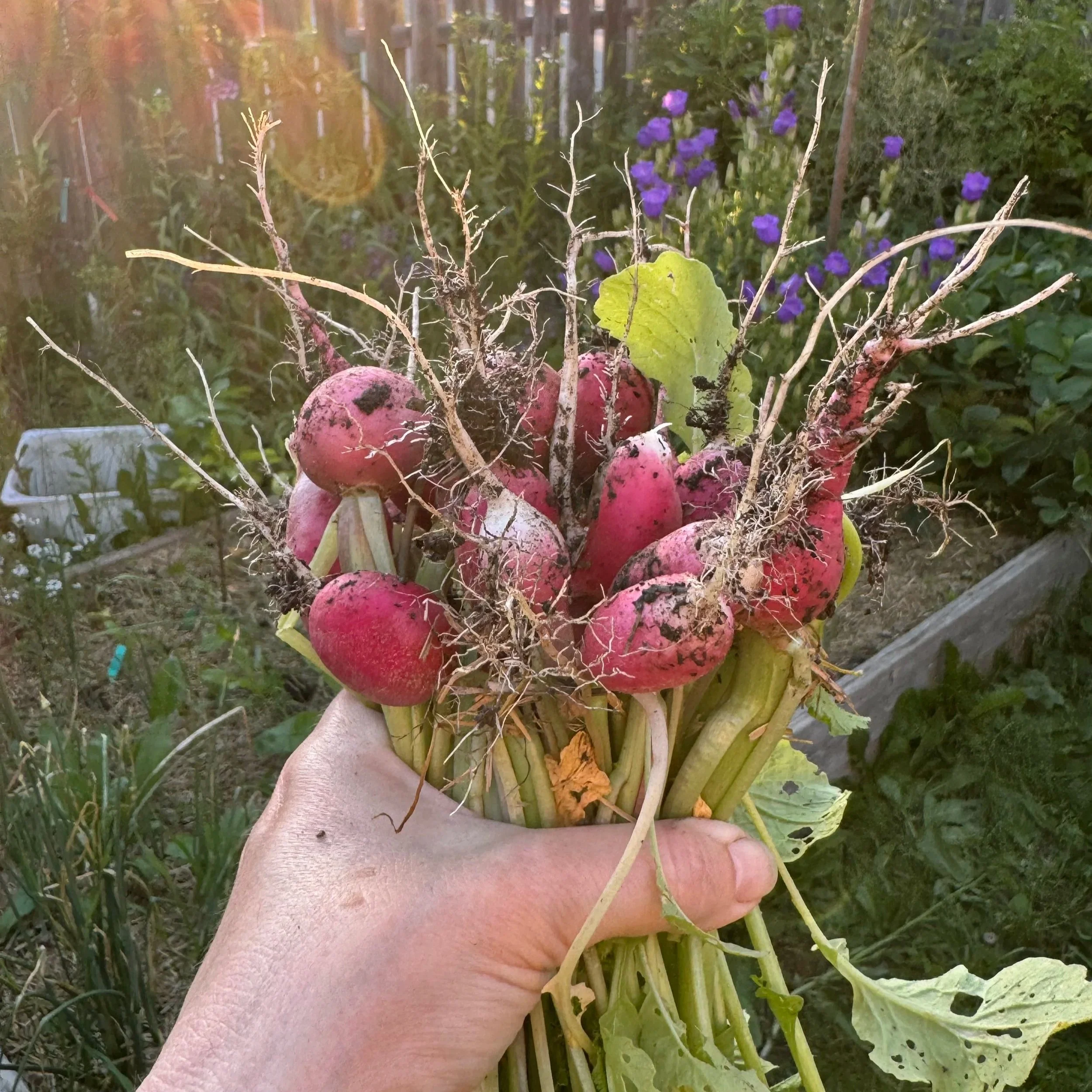
Great for beginners
If you are looking for a quick win as a newbie then rdishes are a must! They grow so quickly, some in as little as 21 days!
Radish
I used my summer garden to get radish seeds for my fall garden. I had a few old “regular” radish and also watermelon radish seeds that I wasn’t even sure would germinate. Lucky for me they did germinate and then I just had to patiently wait for them to go to seed. I just harvested the finally dried out seeds this morning. I will be planting them tomorrow so I’ll have some in October.
Plant: 4–6 weeks before your average first frost
Harvest: 25–35 days.
Why it works
Radishes are one of the fastest vegetables you can grow, making them perfect if you've started your fall garden a little late.
💕 My favourite varieties
French Breakfast
Watermelon
Easter Egg Blend
Cherry Belle
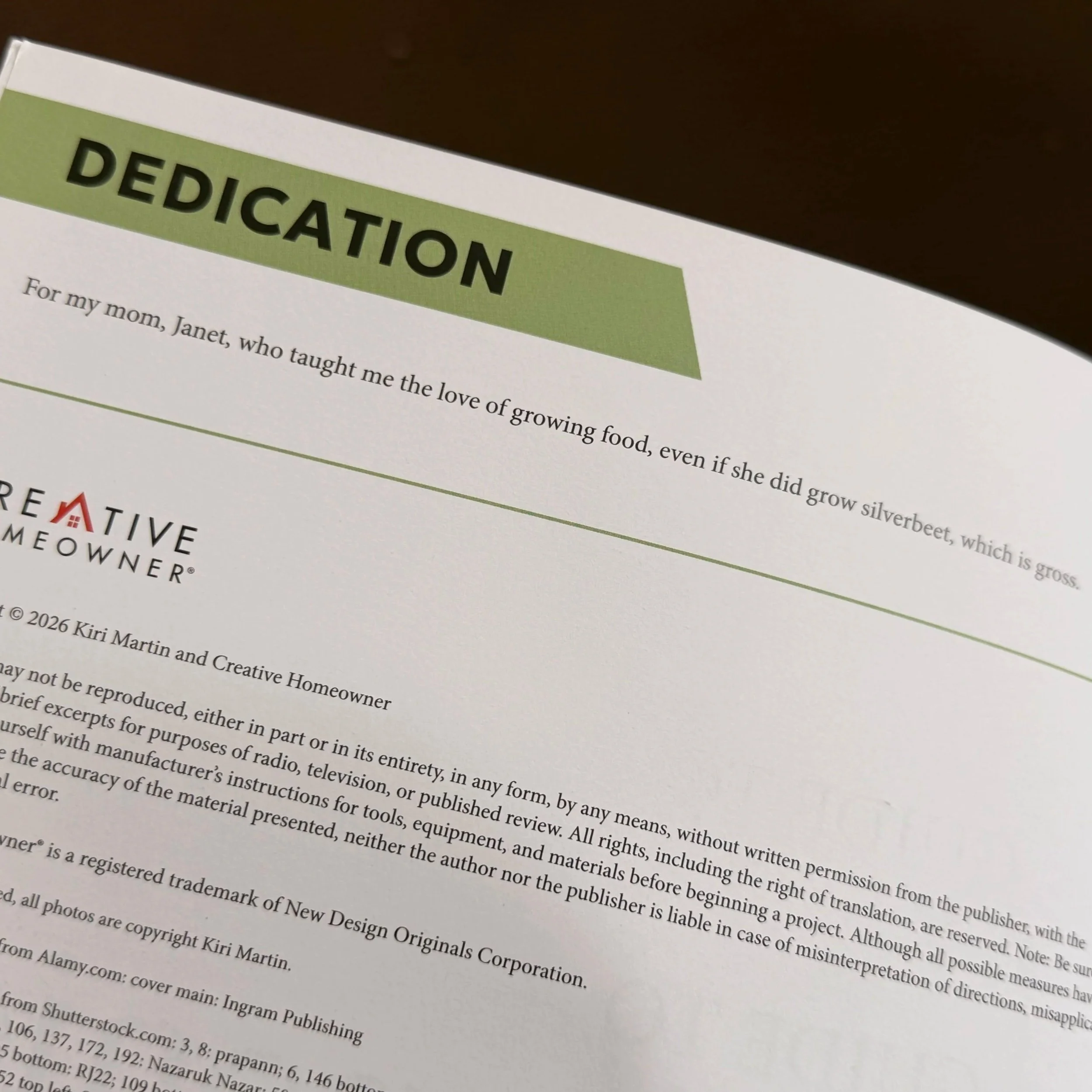
I don’t like Swiss Chard
Or as it is called across the pond in England, silverbeet. I don’t like it so much that it made it’s way into my book dedication because my mum always grew it. But none the less it does grow well in a fall garden. 😉
👉 🇨🇦 [Buy on Amazon.ca]
👉 🇨🇦 [Buy on Indigo]
👉 🇺🇸 [Buy on Amazon.com]
👉 🇬🇧 [Buy at Hatchards]
👉 🇦🇺 [Buy at Booktopia]
🌈 Swiss Chard
I don’t love swiss chard, but I am trying to be healthier so I thought I should grow it. That and I saw Jaime Oliver use it in a recipe that looked pretty good and figured he knew better than me. I picked up some gorgeous rainbow chard, so if nothing else at least I knew it was going to look pretty growing in the garden. It was a great choice as it has only 60 days until maturity.
Plant: 6–8 weeks before your average first frost
Harvest: Baby leaves in about 30 days; mature leaves in 50–60 days.
Why it works
Swiss chard tolerates cool weather extremely well and continues producing new leaves for months if harvested regularly.
💕 My favourite varieties (I use the term very loosely in this case)
Bright Lights
Rainbow
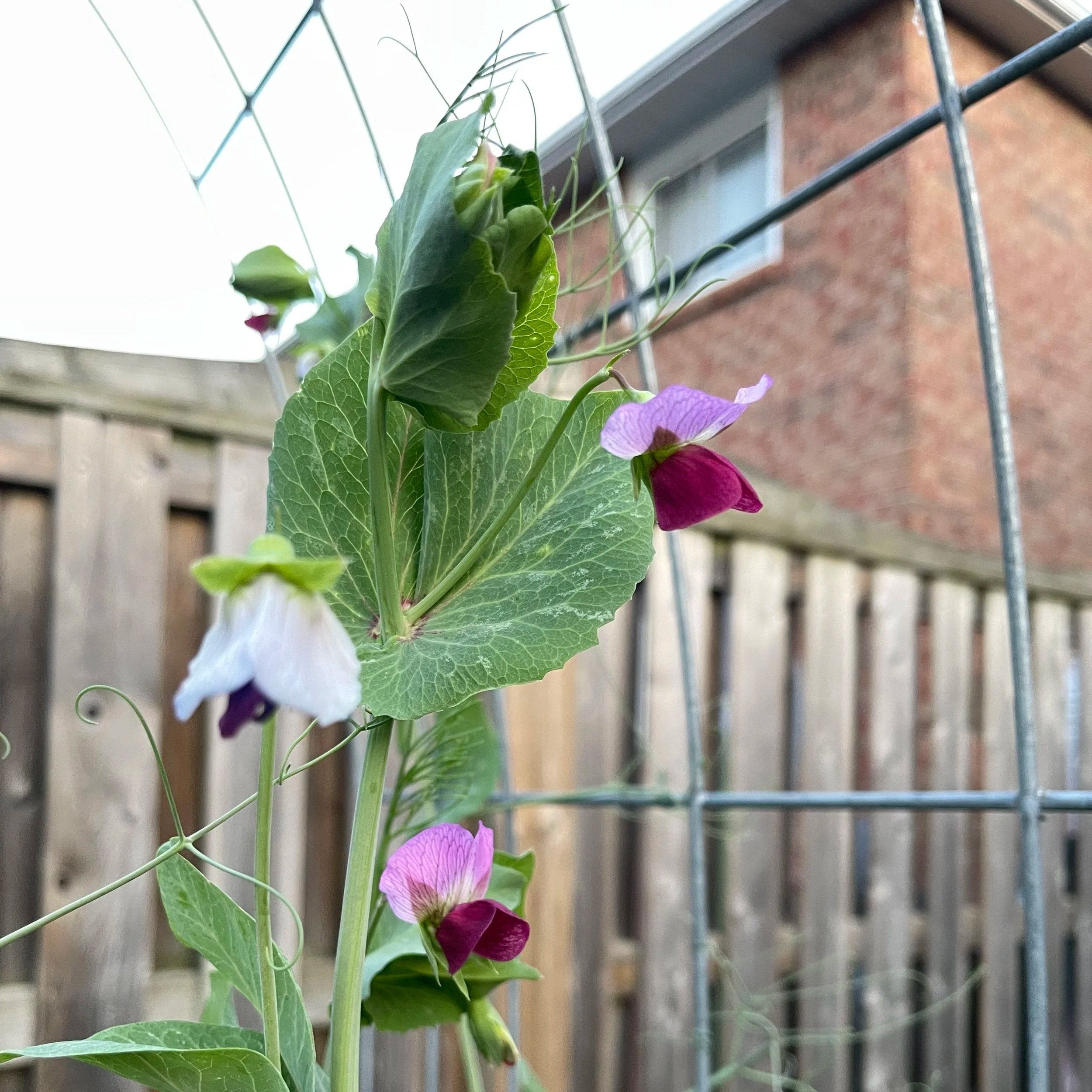
The flowers 😍
Another benefit of growing peas (other than the pods) are the edible pea shoots and the gorgeous flowers they produce.
🫛 Peas
I am obsessed with sugar snap peas, so if there is a chance for me to have a second round of them then I am all over that! I also love the beautiful Desiree dwarf blauwschokkers, they are such a pretty purple! As you probably know peas like to be cool, so they are perfect for a fall garden.
Plant: 8–10 weeks before your average first frost
Harvest: About 55–65 days.
Why it works
Peas actually prefer cooler temperatures and often produce better in the fall than they do during hot summers.
💕 My favourite varieties
Sugar Snap
Oregon Sugar Pod II
Little Marvel
Desiree Dwarf Blauwschokker
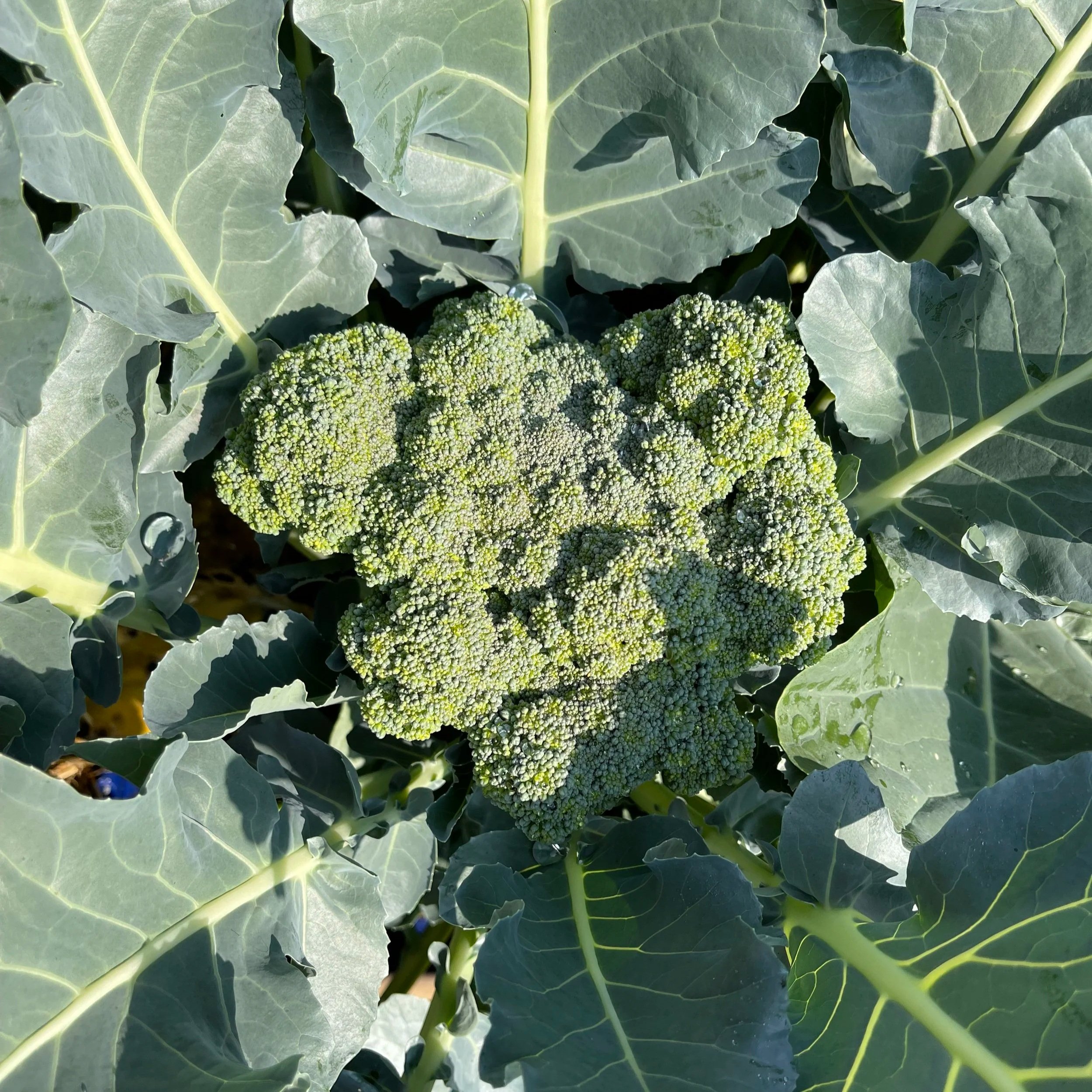
Watch out for Aphids
Aphids LOVE brassicas, so you will need to keep an eye out for them or they can quickly take over. Good news is you can spray them off with the hose.
🥦 Brassicas (Broccoli, Cabbage, Cauliflower & Brussels Sprouts)
This includes broccoli, cabbage, cauliflower and Brussel sprouts. The only caveat is that they have to be planted as seedlings NOT as seeds. The seeds won’t have time to grow to maturity. In hindsight (it being 20/20 and all that jazz) this would have been a great opportunity to have started them in my Aerogarden Farm Plus. But, I did not, so this one will be on the back burner for next year.
Plant: 6–8 weeks before your average first frost (using transplants)
Harvest: 50–70 days depending on the crop.
Why it works
Many brassicas become sweeter after exposure to cool temperatures. Since these crops take longer to mature, it's usually best to transplant seedlings rather than sow seeds directly in late summer.
💕 My favourite varieties
Broccoli
Green Magic
De Cicco
Cabbage
Copenhagen Market
Caraflex
Cauliflower
Snow Crown
Amazing
Brussels Sprouts
Long Island Improved
Jade Cross
🌱 Final Thoughts
So there you have it, 10 potential fall crops that you can add to your fall garden. I made some space for my fall planting by pulling up the lettuce, arugula and radishes I let go to seed. Why? They were old seeds and I needed to get new ones for next year. So I planted them in the hopes they would take (they did) and then I let them do their thing and go to seed. Then I collected up the seeds and I am going to plant them now! Booyah! Saving seeds is the sh*t.
